

With help from artificial intelligence, West Virginia University researchers are speeding up environmental scientists’ access to time-sensitive data about ecosystem health, allowing experts to respond rapidly to events like droughts or wildfires.
With help from artificial intelligence, West Virginia University researchers are speeding up environmental scientists’ access to time-sensitive data about ecosystem health, allowing experts to respond rapidly to events like droughts or wildfires.
Supported by an Early-Concept Grant for Exploratory Research from the National Science Foundation, Steve Kannenberg, assistant professor of biology in the WVU Eberly College of Arts and Sciences, is integrating AI directly into local monitoring sensors to help scientists track ecosystem health in near real time.
Every day, forests, grasslands, and ecosystems around the world “breathe,” constantly trading carbon, water, and energy with the atmosphere, Kannenberg explained.
Read More at: West Virginia University
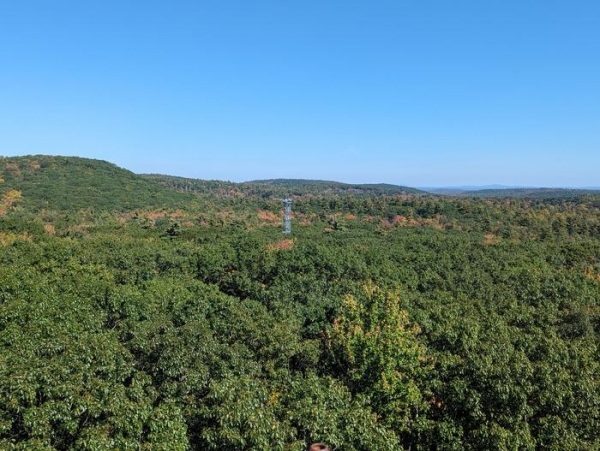
WVU researchers are using AI to speed up access to information about how ecosystems respond to events like rain, drought, or fire. (Photo Credit: WVU Photo/Alyssa Reeves)


