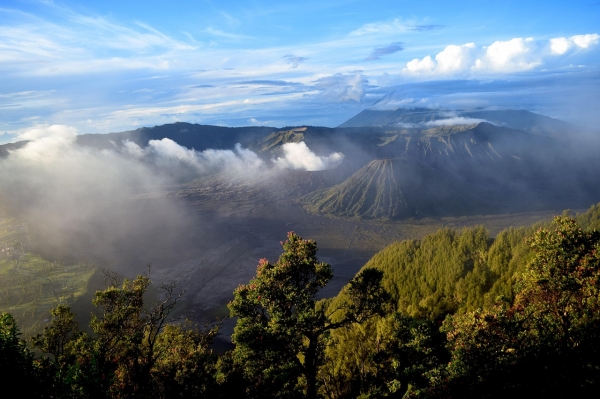
A new study that combines paleoclimate data and climate models suggests that large volcanic eruptions can disrupt the relationship between atmospheric circulations of the tropical Indian and Pacific oceans.
A new study that combines paleoclimate data and climate models suggests that large volcanic eruptions can disrupt the relationship between atmospheric circulations of the tropical Indian and Pacific oceans. In addition, human-caused greenhouse gas emissions are now driving an unprecedented breakdown in inter-basin coupling, according to researchers at the Woods Hole Oceanographic Institution (WHOI).
Volcanism can temporarily weaken connections between ocean basins, but anthropogenic forcings in recent decades have caused an “exceptional” shift in the relationship between Indian and Pacific Ocean climate variability, according to a Nature Communications study, “Coupling of Pacific and Indian Ocean variability disrupted by 19th century volcanism.”
Climate conditions in the Indian Ocean typically follow the behavior of the Pacific Ocean. However, since the 1980s, scientists have observed a breakdown of this co-variability linked to climate change. With less than a hundred years of quality instrumental data, it is difficult to assess how unusual these recent changes really are. To provide long-term context, WHOI scientists used tropical paleoclimate archives – corals, tree rings, and stalagmites – to extend the record of Indian and Pacific Ocean climate back to the early 1600s.
Read More: Woods Hole Oceanographic Institution
Photo Credit: huynhkhoa via Pixabay