The same amount of rain falling on the same landscape at different times can send very different amounts of water into its rivers, according to a new study in Nature Water.
The same amount of rain falling on the same landscape at different times can send very different amounts of water into its rivers, according to a new study in Nature Water. The research offers a global picture of how catchments behave—not where rivers are or how much water they carry—but how consistently landscapes turn rainfall into river flow.
“We often imagine a catchment as a pipe—put in a certain amount of rain and get a predictable amount of runoff,” said Dr. Ali Ameli, a hydrologist at the University of British Columbia (UBC) and lead author of the study.
“But most catchments behave more like dynamic systems with a memory. How much of today’s rainfall becomes runoff and reaches the stream depends on both the conditions created by earlier weather and which parts of the landscape supply water to the river during the storm.”
Read More at: University of British Columbia
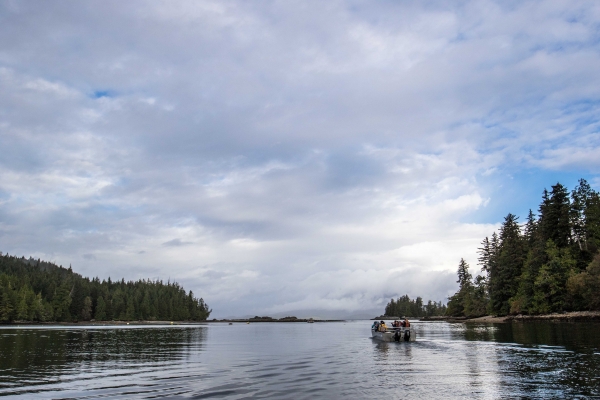
The forested catchments on Vancouver Island’s west coast are prime examples of simple catchments (Photo Credit: UBC).