Ancient ice trapped within an ice cap in Northwestern Tibet appears to preserve fragments from the last ice age, extending Earth’s glacial record by over 100,000 years and making them the oldest ice cores ever recovered from the region, according to a new study.
Ancient ice trapped within an ice cap in Northwestern Tibet appears to preserve fragments from the last ice age, extending Earth’s glacial record by over 100,000 years and making them the oldest ice cores ever recovered from the region, according to a new study.
The analysis, comparing ice cores drilled from the Guliya Plateau in 1992 and 2015, shows that both samples contained similar oxygen isotope patterns, suggesting that the environmental signals they contain are consistent and reproducible.
“Reproducibility of the records within a given ice cap is extremely important,” said Lonnie Thompson, lead author of the study, professor of earth sciences and senior research scientist at the Byrd Polar Research Center at The Ohio State University. “If you get an identical record a quarter of a century later, it can tell you a lot about the behavior of the ice over time.”
Read More: Ohio State University
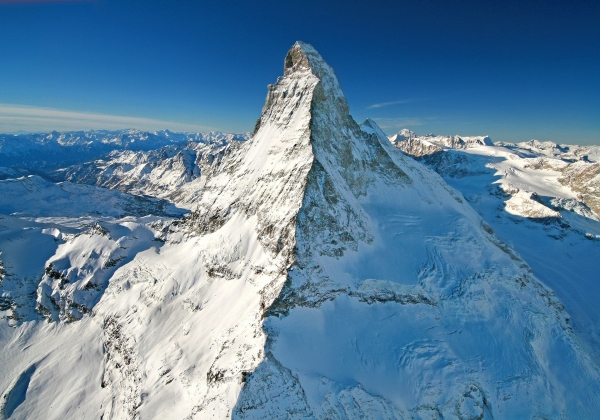
Photo Credit: Julius Silver via Pixabay