

Prevention measures, including vector control, vaccine deployment and cutting greenhouse gas emissions to limit global warming are critical to counter the growing burden of mosquito-borne diseases in a changing climate, according to a new paper by Monash University researchers.
Prevention measures, including vector control, vaccine deployment and cutting greenhouse gas emissions to limit global warming are critical to counter the growing burden of mosquito-borne diseases in a changing climate, according to a new paper by Monash University researchers.
The review, published today in Science Advances, examines the complex ecological, epidemiological and socioeconomic factors that influence the transmission of malaria and dengue.
Malaria is a serious, life-threatening disease caused by a parasite that is typically spread to humans through the bites of infected female Anopheles mosquitoes.
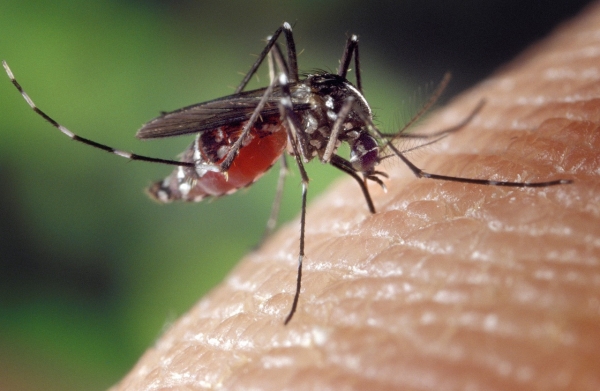
Dengue is caused by a virus that is transmitted to humans through the bites of infected female Aedes mosquitoes.
Read More: Monash University
Photo Credit: FotoshopTofs via Pixabay


