

New scaffolds, drugs and imaging to repair joints and prevent arthritis.
New scaffolds, drugs and imaging to repair joints and prevent arthritis.
Running, jumping, throwing or typing. All involve the vigorous movement of muscles, tendons and bone through joints. But there’s a hidden player: articular cartilage. This tissue that lines joints is one of the slipperiest surfaces around, and cartilage on cartilage generates less friction than ice on ice.
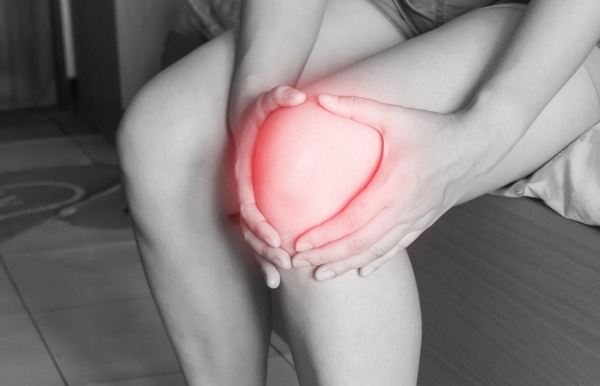
Without it, joints grind and bone wears away or deforms, making simple movement — like stepping up stairs or raising an arm to reach a glass on a high shelf — painful.
But cartilage is relatively inert. No blood vessels provide nutrients, no true stem cells have been definitively identified and few immune cells patrol healthy joints. As a result, cartilage has little capacity to regrow once it’s been lost. This leaves tens of millions of Americans struggling with chronic joint pain (largely due to arthritis), limited mobility and no good treatments.
Read More: Stanford Medicine
Photo Credit: nattanan23 via Pixabay


