Researchers at the University of Helsinki wanted to understand which is the dominant factor for species occurrence and abundance: the climate or habitat-related variables, such as their natural state and the share of land shaped by human activity.
Researchers at the University of Helsinki wanted to understand which is the dominant factor for species occurrence and abundance: the climate or habitat-related variables, such as their natural state and the share of land shaped by human activity. Solutions to mitigate biodiversity loss depend on the answer to this question.
Contrary to the researchers' expectations, habitat composition offers a better explanation than the climate for the occurrence and abundance of most animal groups. This conclusion highlights the importance of land-use planning in safeguarding biodiversity.
“The habitat proved to be of special importance to butterflies, birds, and small mammals. As for large mammals and moths, the relative importance of the habitat and climate were equal,” explains Emy Guilbault, the article’s lead author.
Read More at: University of Helsinki
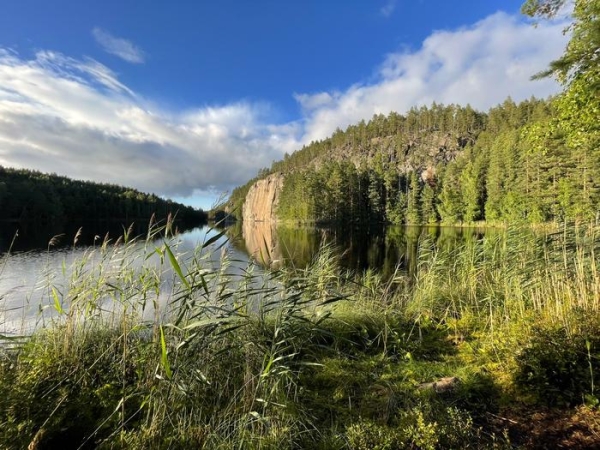
Forested areas accommodate different species communities than agricultural environments or wetlands, and species are lost if their habitats are altered. (Photo Credit: Pinja Kettunen)