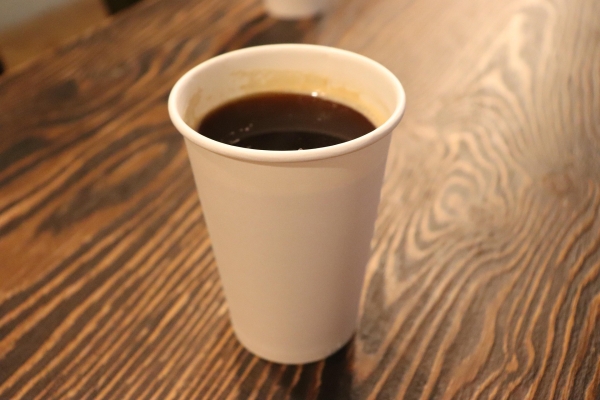
The lining in traditional disposable coffee cups can release plastic particles and be difficult to recycle, but a new plant-based coating can eliminate these issues with your morning brew.
The lining in traditional disposable coffee cups can release plastic particles and be difficult to recycle, but a new plant-based coating can eliminate these issues with your morning brew.
A team of researchers from the University of Waterloo created a durable new coating from cellulose acetate that is reinforced with cellulose nanocrystals. Both components come from plants. Because the coating and the cup are both cellulose-based, the material has the potential to simplify paper recycling by reducing the need to separate conventional plastic liners from paper.
The plastic in use now is derived from fossil fuels, and it can persist in the environment for centuries after disposal. During testing, the conventional, plastic-lined coffee cups showed surface degradation and particle release, suggesting microplastics could enter the container's contents and flow into our bodies. The researchers' cellulose-based coating remained largely intact during the same testing.
Read More: University of Waterloo
Photo Credit: socoolkoon via Pixabay