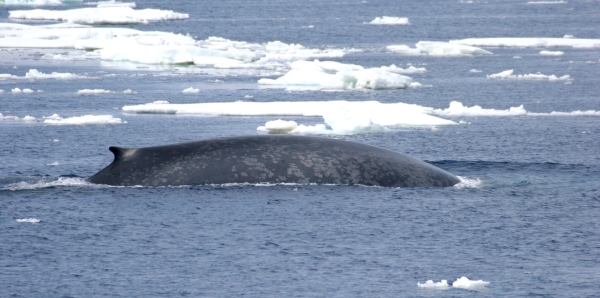
Antarctic blue whales appear to be creeping back from the brink of extinction after 50 years of protection. A new study estimates the total population at 4,018, up from 418 after the last reported whale catch in 1973.
Antarctic blue whales appear to be creeping back from the brink of extinction after 50 years of protection. A new study estimates the total population at 4,018, up from 418 after the last reported whale catch in 1973.
Still, their population pales in comparison to pre-whaling levels, when hundreds of thousands of blue whales swam in the Southern Ocean.
Antarctic blue whales were the primary target of commercial whaling in the 20th century. Each whale can weigh more than 400,000 pounds, making them the largest animals known to Earth and a profitable source of whale oil. Killing them was banned by the International Whaling Commission in 1964, but illegal whaling by Soviet fleets continued for another 10 years. By the time it stopped, it was almost too late for the species.
Read more at: University of Washington
An Antarctic blue whale surfaces among ice floes. (Photo Credit: Paula Olson courtesy of the International Whaling Commission)