New research from Adelaide University is helping engineers understand how to make hydrogen-powered appliances – including cooktops and ovens – safer and more reliable, supporting the wider uptake of hydrogen as a cleaner energy source compared to natural gas.
New research from Adelaide University is helping engineers understand how to make hydrogen-powered appliances – including cooktops and ovens – safer and more reliable, supporting the wider uptake of hydrogen as a cleaner energy source compared to natural gas.
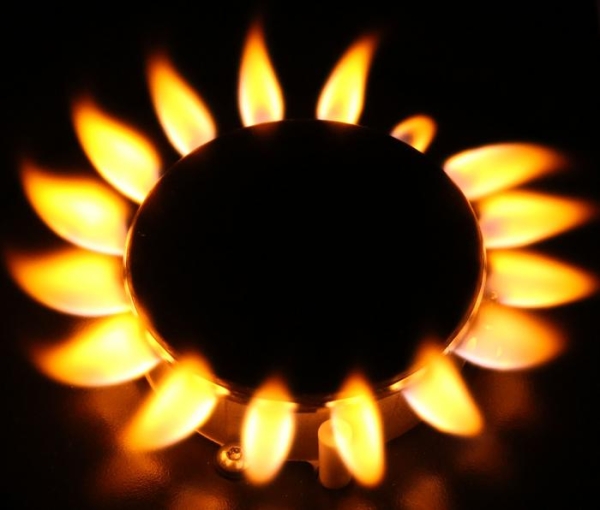
The study, published in Next Energy, has revealed why hydrogen flames can appear bright orange one day and be much harder to see the next – even when the same appliance is operating under identical conditions.
The key lies in sodium, a naturally occurring element found in tiny airborne particles, including sea salt carried inland by the wind.
Researchers found that sodium in the surrounding air was largely responsible for the orange colour often associated with hydrogen flames. When less sodium was present, the flames became significantly less visible.
Read More: Adelaide University
Image: Hydrogen flames can appear bright orange one day, and be much harder to see the next, depending on the level of sodium in the air. Credit: Adelaide University