An international research team led by a researcher at the University of Bern has modeled 1,000 years of earthquake history along the San Andreas and San Jacinto faults in Southern California.

articles
New Possibilities Uncovered for Efficiently Converting Sunlight Into Clean Energy

Researchers at Oregon State University have developed a new family of materials that use light to produce hydrogen from water, opening the door to new ways of converting the sun’s rays into clean energy.
Warning on Quality of Rainwater
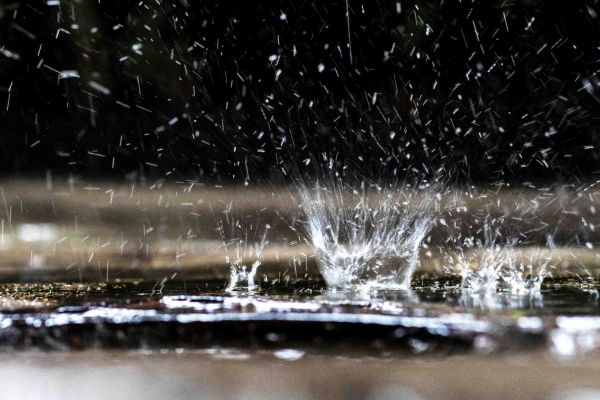
Rainwater tanks are a popular way for Australians to save water, but new research has found they can also harbour potentially harmful bacteria and metals that could pose health concerns.
Cartilage Can't Heal Well - But That May Change
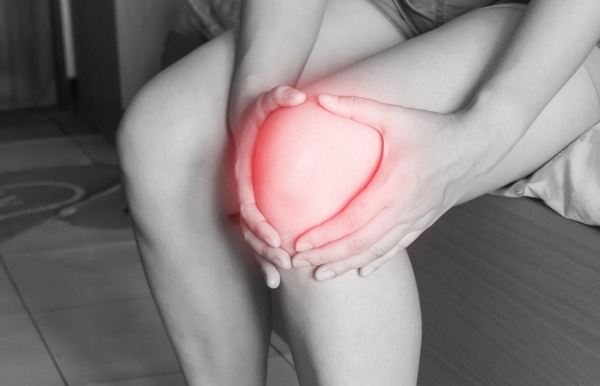
New scaffolds, drugs and imaging to repair joints and prevent arthritis.
Australia's Bushfire Crisis Linked to Colonial Land-Use Change
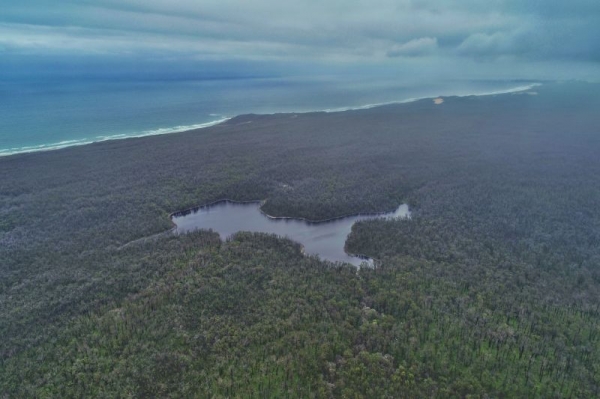
Forest expansion and thickening after British colonisation has created landscapes more prone to burning, amplifying the influence of climate change and propelling Australia’s bushfire crisis, a new study has found.
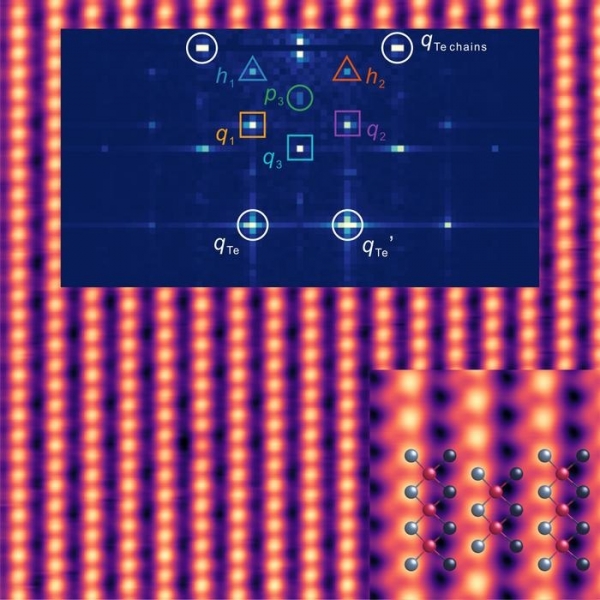
The Cheshire Cat’s Grin: Cooper Pairs Found Above Superconducting Critical Temperature in Pair Density Waves
Physicists with the University of Illinois Urbana-Champaign’s Grainger College of Engineering have identified a new form of superconducting behavior.