Around 10,000 people and thousands of livestock now have access to clean water in the Tanzanian villages of Esilalei and Oltukai, in the African country’s semi-arid Monduli District.
articles
URI Team to Address Remediation Challenges of Manganese in R.I. Drinking Water
A partnership between the University of Rhode Island and Rhode Island Department of Health will study manganese levels in Rhode Island’s drinking water.
A Resilient Seagrass Species Could Help Reshape Coastal Restoration
Seagrasses are among the most important foundation species in coastal ecosystems, providing habitat for marine life, stabilizing sediments and helping improve water quality.
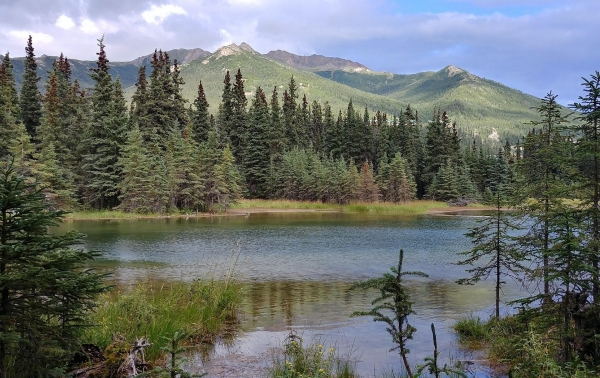
Climate Change Isn’t Driving All Mountain Trees Higher, Global Study Finds
A new study published in Nature Climate Change reveals a more complex reality: some tree species are moving uphill, while others are shifting downhill, and the key to understanding these contrasting responses lies in how trees manage water.
FAU Awarded U.S. EPA Grant to Combat Harmful Algal Blooms
Harmful algal blooms (HABs) have become an increasingly common threat to lakes, rivers and coastal waters across the United States, endangering drinking water supplies, aquatic ecosystems, public health and local economies.
Chemists Race to Turn Industrial Waste into Renewable Resource
Researchers have developed a process for converting carbon dioxide and industrial waste into green hydrogen, reporting in a new study that turning trash into valuable mineral products could usher in a more efficient way to produce clean fuel.