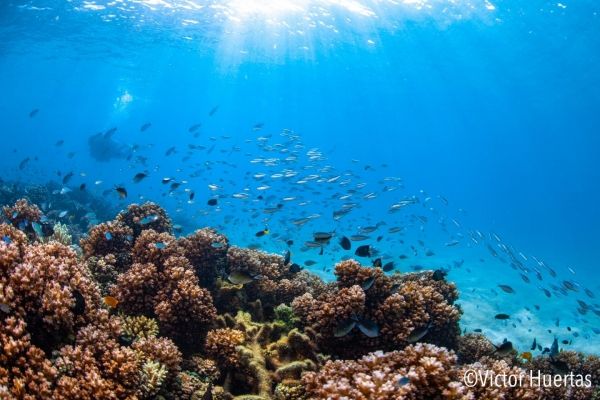
Scientists have discovered a never-before-seen biodiversity pattern of coral reef fishes that suggests some fishes might be exceptionally vulnerable to environmental change.
 ENN
Environmental News Network -- Know Your Environment
ENN
Environmental News Network -- Know Your Environment

Scientists have discovered a never-before-seen biodiversity pattern of coral reef fishes that suggests some fishes might be exceptionally vulnerable to environmental change.

Researchers from Tel Aviv University (TAU) have proven that the coronavirus can be killed efficiently, quickly, and cheaply using ultraviolet (UV) light-emitting diodes (UV-LEDs).

Scientists at the Columbia Center for Children’s Environmental Health (CCCEH) developed a method using a DNA biomarker to easily screen pregnant women for harmful prenatal environmental contaminants like air pollution linked to childhood illness and developmental disorders.
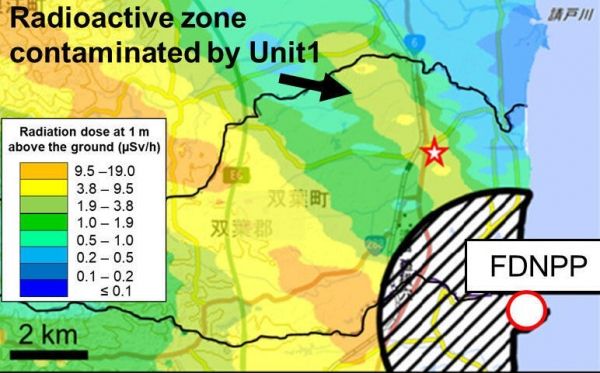
The 10-year anniversary of the Fukushima Daiichi nuclear accident occurs in March.
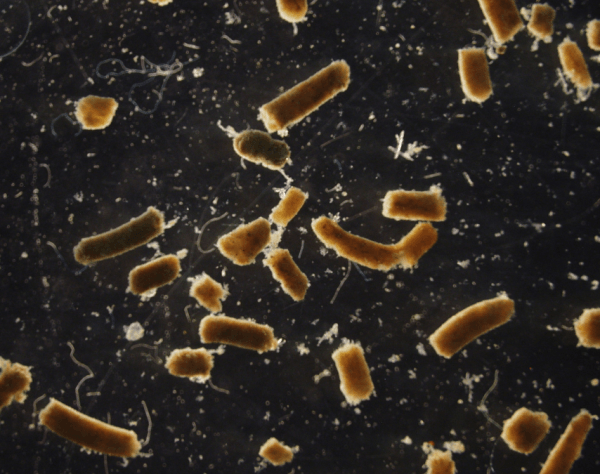
Scientists have little understanding of the role fishes play in the global carbon cycle linked to climate change, but a Rutgers-led study found that carbon in feces, respiration and other excretions from fishes – roughly 1.65 billion tons annually – make up about 16 percent of the total carbon that sinks below the ocean’s upper layers.
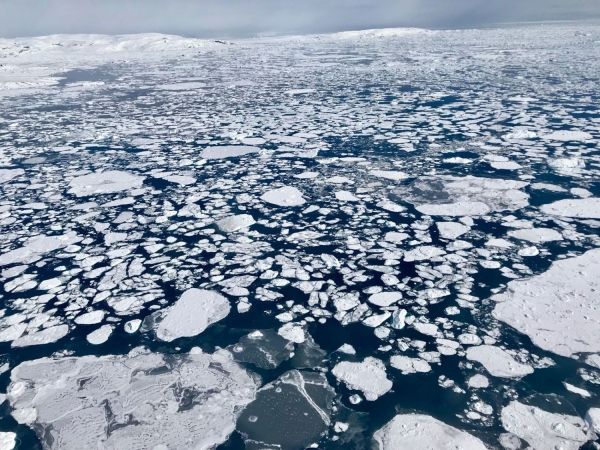
Scientists have found that permafrost buried beneath the Arctic Ocean holds 60 billion tons of methane and 560 billion tons of organic carbon — making it a major source of greenhouse gases not currently included in climate projections that could have a significant impact on climate change in the longer-term.



