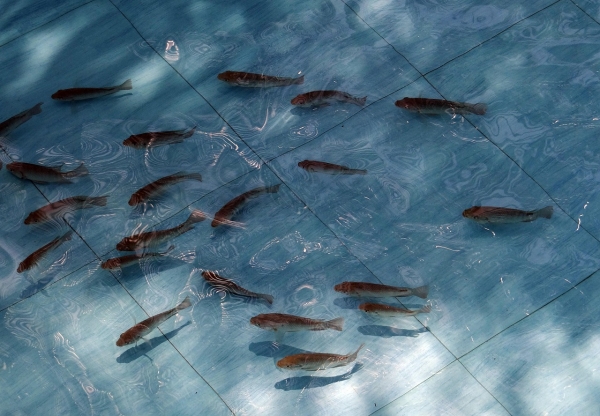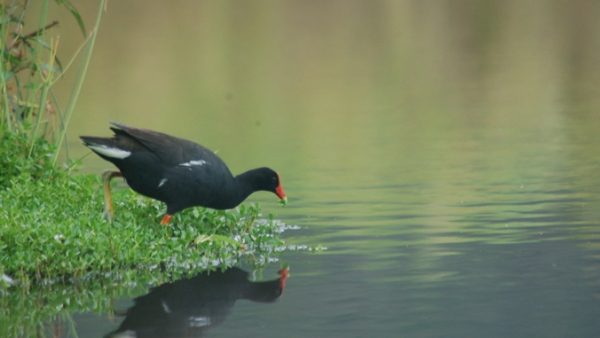
Led by Newcastle University, the study found that the greatest potential to reduce species extinction risk in the Northern Sub-catchments of San José, Costa Rica, lies in addressing habitat loss and degradation due to livestock farming and ranching, urban expansion, and the spread of non-native invasive species.
articles
New Journal Advances in Pollinator Research launched by Centre for Biodiversity and Sustainability member Rachel Parkinson
Pollinators comprise a taxonomically diverse group – including insects, mammals, birds, and more rarely, amphibians, reptiles, and even gastropods – that support wild plant communities and underpin global food production systems.
Record-Breaking Sediment Core Provides Unprecedented Evidence of West Antarctic Ice Sheet Retreat
An international team has drilled the longest ever sediment core from under an ice sheet, providing a record stretching back millions of years that will help climate scientists forecast the fate of the ice sheet in our warming world.
Research Shows Best- and Worst-Case Scenarios for a Warming Antarctica
Antarctica’s pale expanses of ice keep water locked up and reflect heat from the planet — but the climate crisis is putting these safeguards at increasing risk.
Global Warming Must Peak Below 2°C to Limit Tipping Point Risks
Global warming must peak below 2°C then return under 1.5°C as quickly as possible to limit the risk of dangerous “tipping points”, experts say.
FAU Feasibility Study: Queen Conch Aquaculture and Seagrass Impacts
Florida Atlantic University’s Harbor Branch Oceanographic Institute has been awarded a grant from Blue Carbon Plus (BC+) to explore sustainable, market-driven aquaculture opportunities in The Bahamas and elsewhere.