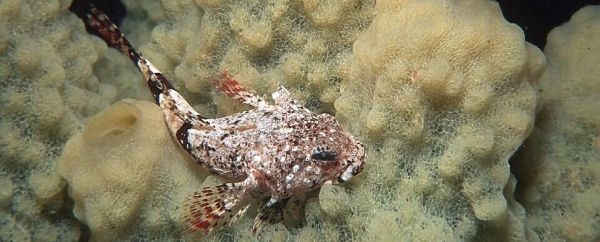
Antarctic fish have adapted over millennia to survive in the freezing temperatures of the Southern Ocean.
 ENN
Environmental News Network -- Know Your Environment
ENN
Environmental News Network -- Know Your Environment

Antarctic fish have adapted over millennia to survive in the freezing temperatures of the Southern Ocean.
A study of more than 2,000 streams around North America found that those altered by human activity are at greater risk of flooding.
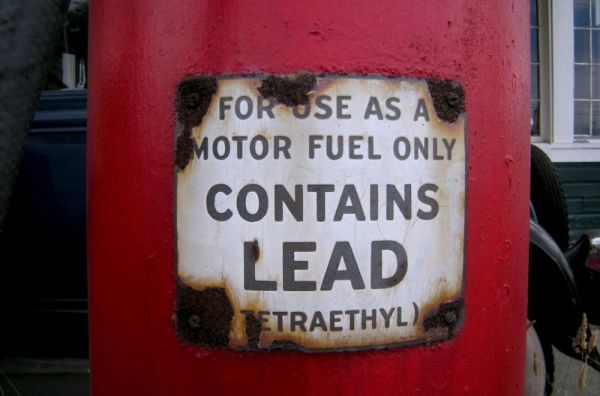
About half of U.S. adults alive today were exposed to harmful levels of lead as children from the burning of leaded gasoline, according to a new study, which estimates that lead contamination has lowered Americans’ IQ scores by more than two points on average.
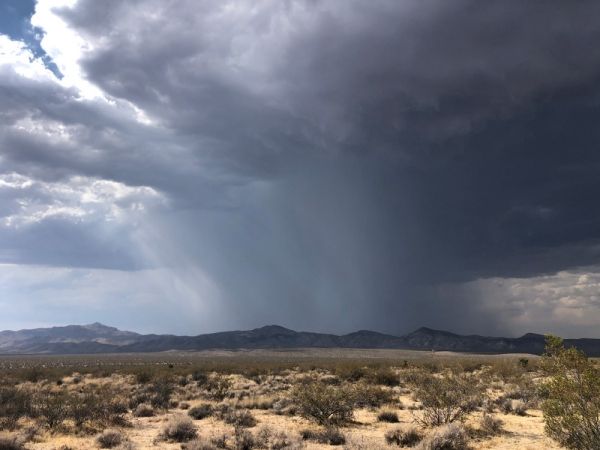
New UC Riverside research shows how, after it rains, microbes in desert soil convert one form of pollution into another — laughing gas.

As Covid-19’s initial wave crested around the world, travel restrictions and a drop in passengers led to a record number of grounded flights in 2020.
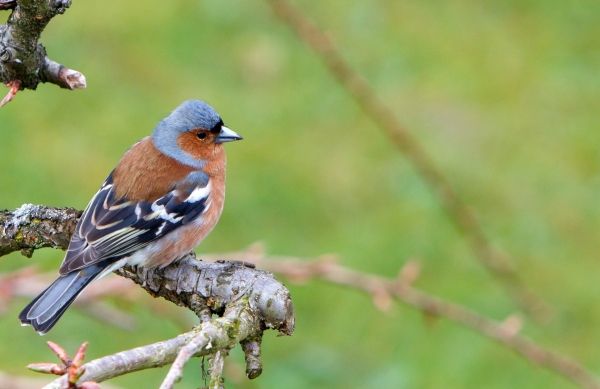
A new study from researchers at The Australian National University (ANU) rolls back the curtain on half a century of evidence detailing the impact of climate change on more than 60 different bird species.



