
News reports regularly remind us that the environment is under threat from a raft of climate change effects including loss of biodiversity, melting ice sheets and devastating ‘climate fires’.
 ENN
Environmental News Network -- Know Your Environment
ENN
Environmental News Network -- Know Your Environment

News reports regularly remind us that the environment is under threat from a raft of climate change effects including loss of biodiversity, melting ice sheets and devastating ‘climate fires’.
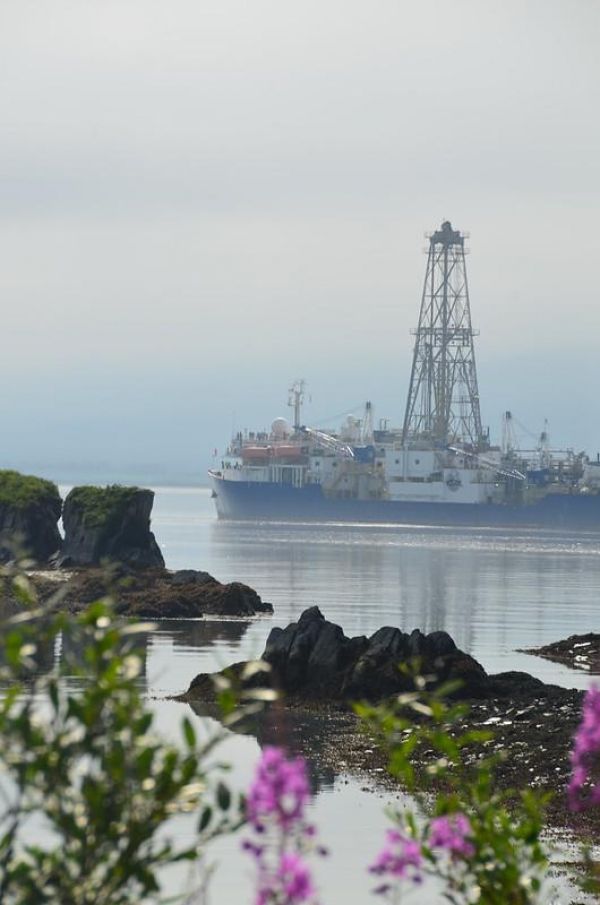
Repeated catastrophic ice discharges from western North America into the North Pacific contributed to, and perhaps triggered, hemispheric-scale changes in the Earth’s climate during the last ice age, new research published online today in Science reveals.
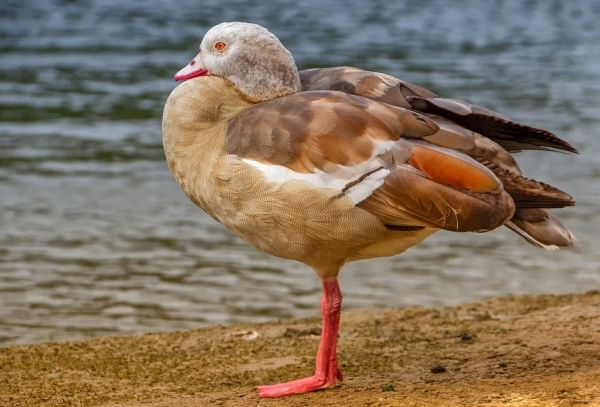
The number of alien (non-native) species, particularly insects, arthropods and birds, is expected to increase globally by 36% by the middle of this century, compared to 2005, finds new research by an international team involving UCL.

One feature of the COVID-19 virus that makes it so difficult to contain is that it can be easily spread to others by a person who has yet to show any signs of infection.
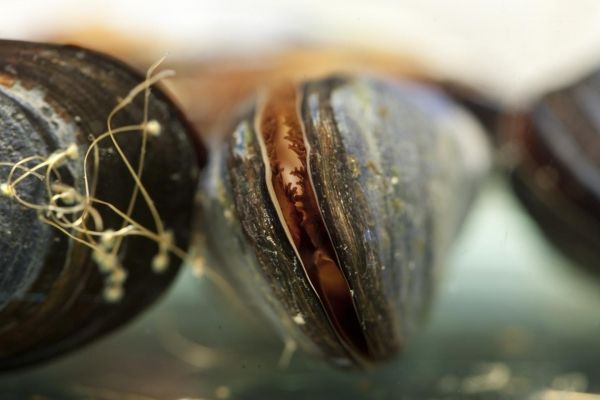
Microscopic fibres created during the laundry cycle can cause damage to the gills, liver and DNA of marine species, according to new research.
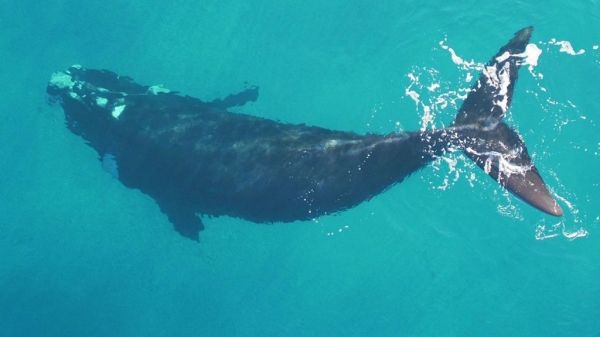
Scientists have successfully attached satellite tracking tags to six New Zealand southern right whales, or tohorā, and are inviting the public to follow the whales’ travels online.



