
The idea that ecosystems carry plenty of back-up, so if a small number of species become extinct there is little harm, has been greatly overestimated according to the largest global study of its kind.

articles
Itching for a Solution: Addressing Mosquito-Borne Disease as Climate Change Bites
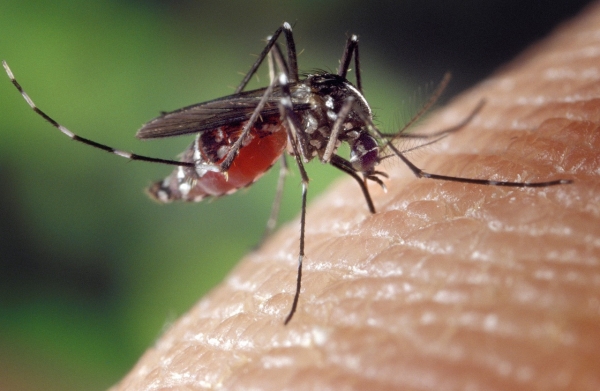
Prevention measures, including vector control, vaccine deployment and cutting greenhouse gas emissions to limit global warming are critical to counter the growing burden of mosquito-borne diseases in a changing climate, according to a new paper by Monash University researchers.
Why Icy Landscapes Can Behave Like Oobleck
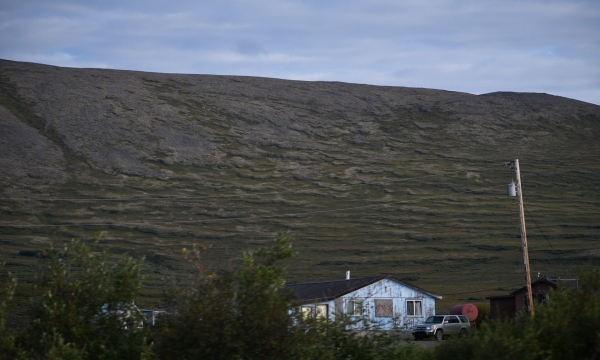
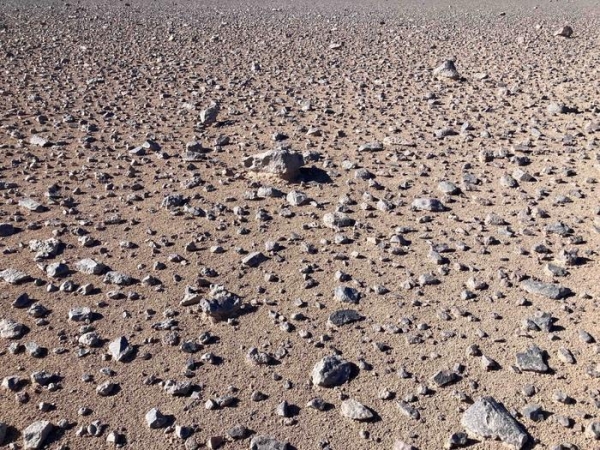
URochester researchers use mathematical modeling to explore how wave-like soil patterns form—and what they could reveal about landscape stability.
Forests Are Dying Along North Carolina’s Coast – And It’s Speeding Up
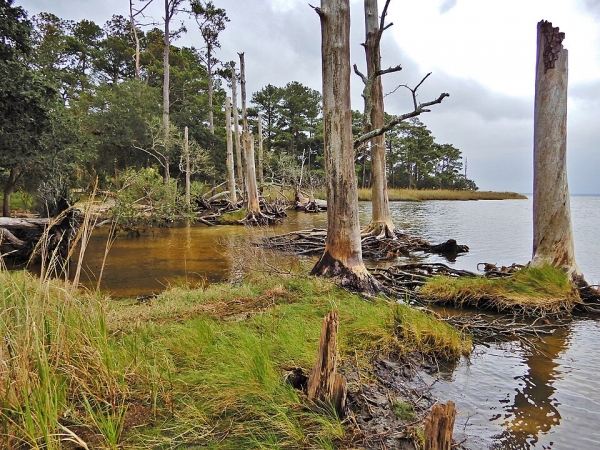
A new study finds that coastal forest loss in North Carolina’s Albermarle-Pamlico Peninsula began accelerating after 2010 and may still be speeding up.
New Discovery Sheds Light on How the Congo’s Peatlands -enormous Carbon Sinks - Function
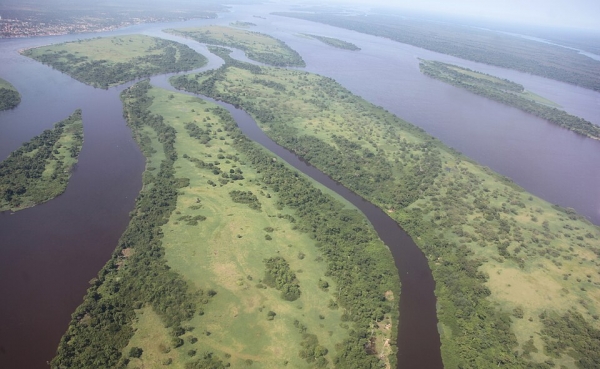
A team from the University of Lausanne has developed a new approach to better understand the carbon cycle in the Congo’s peatlands, one of our planet’s lungs.
An Electrical Technique for Identifying Signs of Life in Space
Researchers from the University of Osaka use artificial intelligence and nanotechnology to detect amino acid biosignatures.



