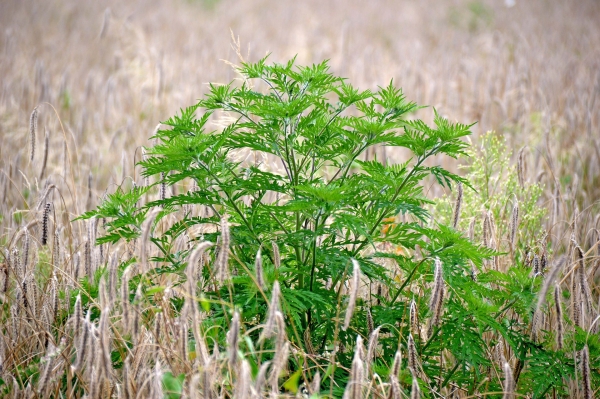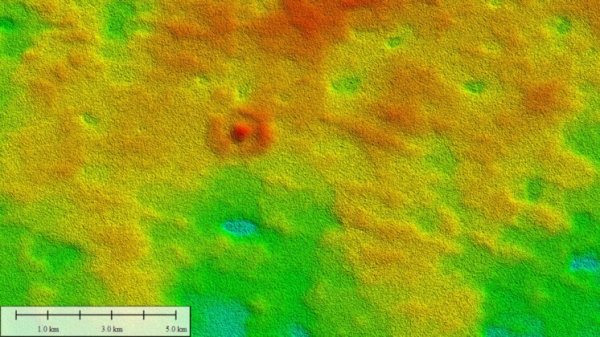
New research, recently published in the Proceedings of the National Academy of Sciences and led by the University of Massachusetts Amherst, finds that the ecological effect of invasive species alone is comparable to the combined effects of invasives plus warming temperatures, drought or nitrogen deposition.
articles
Managing Habitat for Flowering Plants May Mitigate Climate Effects on Bee Health
Warm, wet weather conditions and changing climate negatively influence the nectar intake and nutritional health of honey bees, but maintaining large tracts of grassy natural habitat with flowering plants around apiaries may help to mitigate the detrimental effects of climate, according to a new study by an international team of researchers.
Great Timing, Supercomputer Upgrade Lead to Successful Forecast of Volcanic Eruption
In the fall of 2017, geology professor Patricia Gregg and her team had just set up a new volcanic forecasting modeling program on the Blue Waters and iForge supercomputers.
New Tool to Detect Species Declines Can Help Protect Biodiversity
Jeff Doser wants to give conservationists the tools they need to make better decisions.
Heat-Lovers Are the Lucky Ones
Sparse data often make it difficult to track how climate change is affecting populations of insect species.
How Spartan Simulations Could Help Get PFAS Out of Soil
Michigan State University chemists are discovering new information to help remediate “forever chemicals” by showing for the first time how they interact with soil at the molecular level.