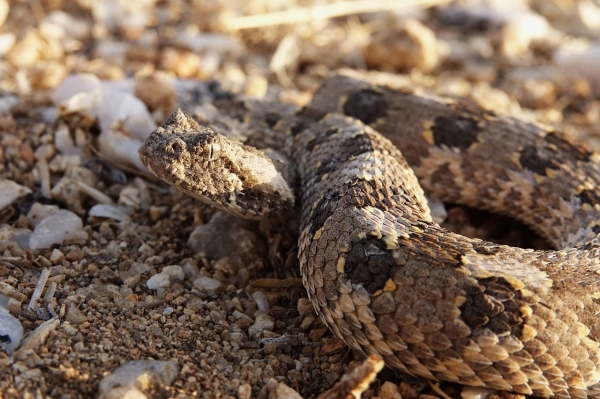
The risk of snakebites is increasing across the world as reptiles shift their habitats to cope with rising temperatures and growing human pressures, a study of venomous snakes has found.
 ENN
Environmental News Network -- Know Your Environment
ENN
Environmental News Network -- Know Your Environment

The risk of snakebites is increasing across the world as reptiles shift their habitats to cope with rising temperatures and growing human pressures, a study of venomous snakes has found.
Azara’s owl monkeys, a small primate species found in South America, are heavier today than those that lived a quarter-century ago, and evidence suggests that rising temperatures might have driven the weight gain, according to a Yale-led study of a wild population.
If this year feels hotter than the ones you remember, you’re not imagining it.
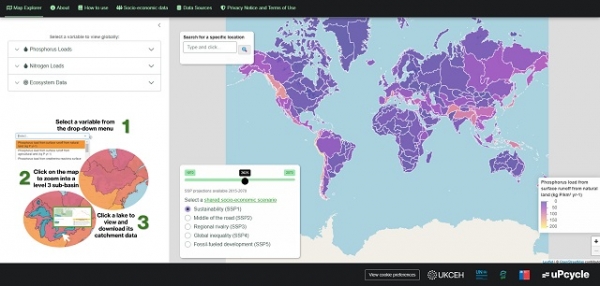
A new, interactive global map has been launched to help people understand how pollution and climate change are affecting lakes around the world.

What if fog isn’t just misty air, but a living ecosystem?
The climate of the ancient Eastern Mediterranean was far more turbulent than previously thought — and a new study suggests that people adapted anyway.