
By rethinking how large cloud computing systems operate, Associate Professor Christina Delimitrou seeks to make data centers more energy efficient.
 ENN
Environmental News Network -- Know Your Environment
ENN
Environmental News Network -- Know Your Environment

By rethinking how large cloud computing systems operate, Associate Professor Christina Delimitrou seeks to make data centers more energy efficient.
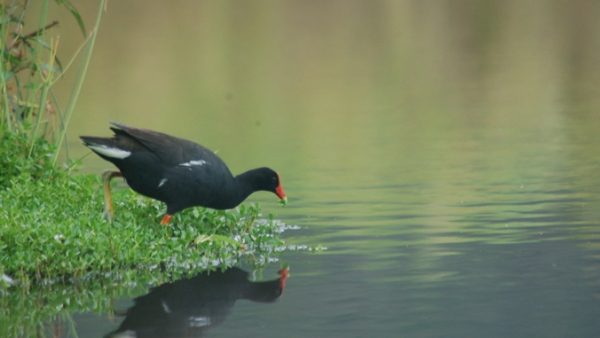
A new framework designed to guide one of the hardest decisions in conservation—whether to move a species outside its historical range to save it from extinction—has been published in Conservation Science and Practice, capping a multi-year, Pacific-wide effort in which the University of Hawaiʻi at Mānoa played a central supporting role.

Researchers at Oregon State University have developed a new family of materials that use light to produce hydrogen from water, opening the door to new ways of converting the sun’s rays into clean energy.
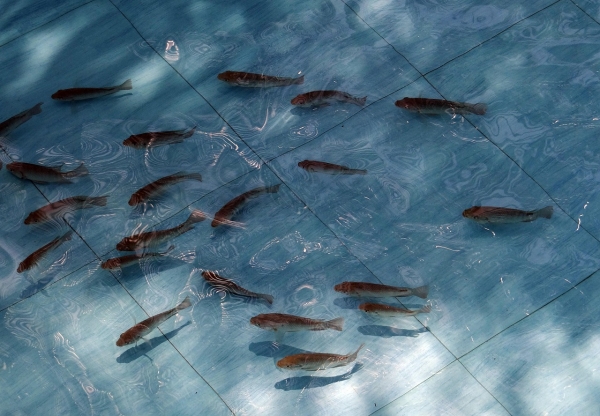
In the world of aquatic life, the Mozambique tilapia (Oreochromis mossambicus) is remarkably tolerant to salt water, surviving in habitats ranging from fresh water to hypersaline ponds three times saltier than the ocean.
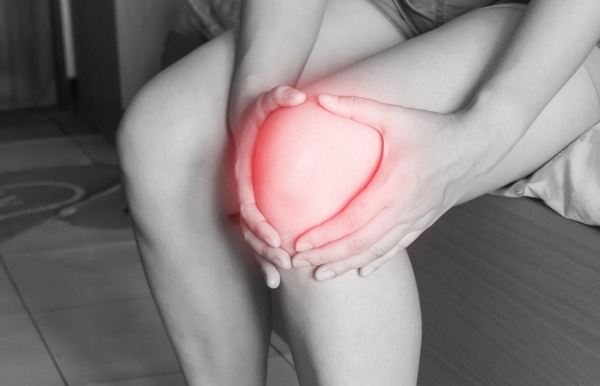
New scaffolds, drugs and imaging to repair joints and prevent arthritis.
An international research team led by a researcher at the University of Bern has modeled 1,000 years of earthquake history along the San Andreas and San Jacinto faults in Southern California.



