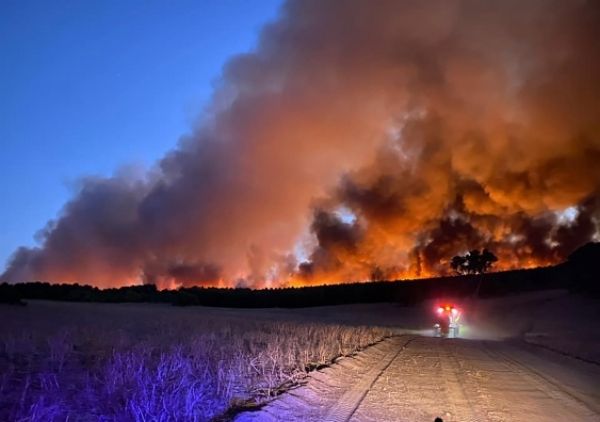
We know heatwaves and drought can turn bushfires into infernos, but the reasons why were poorly understood in science.
 ENN
Environmental News Network -- Know Your Environment
ENN
Environmental News Network -- Know Your Environment

We know heatwaves and drought can turn bushfires into infernos, but the reasons why were poorly understood in science.
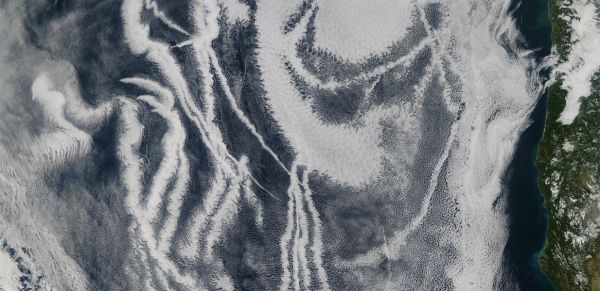
Finding has implications for one potential solar geoengineering strategy
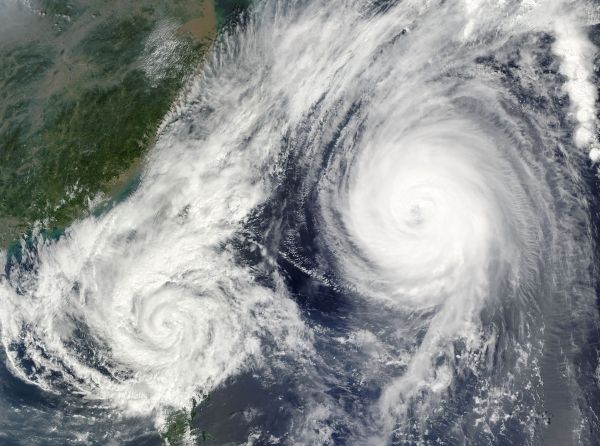
The trend of tropical cyclones – commonly known as hurricanes or typhoons – increasingly moving towards coasts over the past 40 years appears to be driven by a westward shift in their tracks, say the study’s authors from Imperial College London.

The researchers of the Institute for Atmospheric and Earth system research at the University of Helsinki have investigated how atmospheric particles are formed in the Arctic.

For species to survive in the wild, maintaining connectivity between populations is critical. Without ‘wildlife corridors’, groups of animals are isolated, unable to breed and may die out.
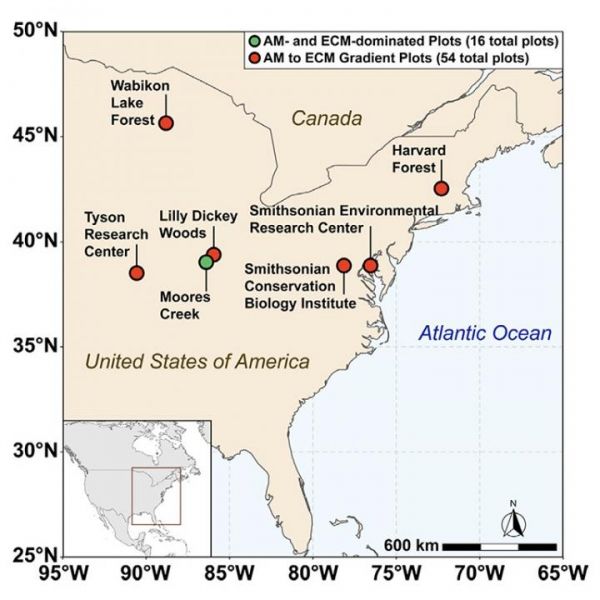
Trees are often heralded as the heroes of environmental mitigation. They remove carbon dioxide from the atmosphere, which slows the pace of climate change, and sequester nutrients such as nitrogen, which improves water and air quality.