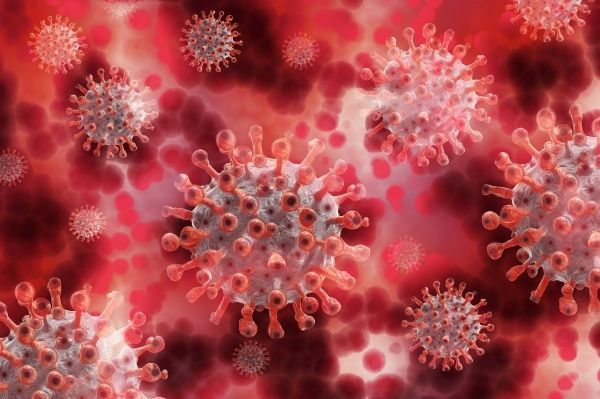
A new study demonstrates that antibodies generated by the novel coronavirus react to other strains of coronavirus and vice versa, according to research published today by scientists from Oregon Health & Science University.
 ENN
Environmental News Network -- Know Your Environment
ENN
Environmental News Network -- Know Your Environment

A new study demonstrates that antibodies generated by the novel coronavirus react to other strains of coronavirus and vice versa, according to research published today by scientists from Oregon Health & Science University.
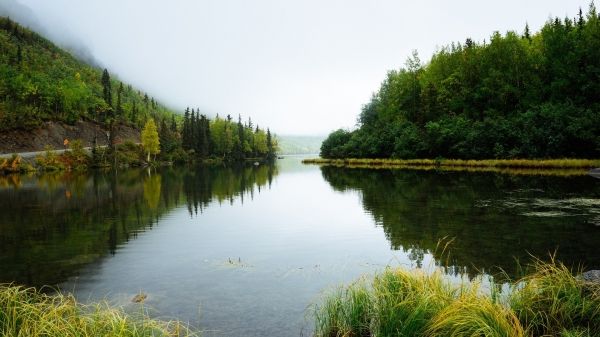
The Chesapeake Bay has a long history of nutrient pollution resulting in degraded water quality.
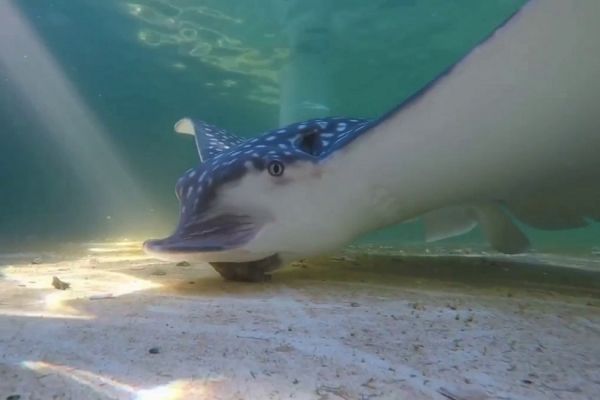
“Shell-crushing” – exactly what it sounds like – is a predatory mode used by numerous marine life from crabs to octopuses to large fishes and mammals when they eat hard-shelled mollusks like clams, oysters and conchs.
A recent McGill study published in Environmental Science and Technology finds that annual methane emissions from abandoned oil and gas (AOG) wells in Canada and the US have been greatly underestimated – by as much as 150% in Canada, and by 20% in the US. Indeed, the research suggests that methane gas emissions from AOG wells are currently the 10th and 11th largest sources of anthropogenic methane emission in the US and Canada, respectively.
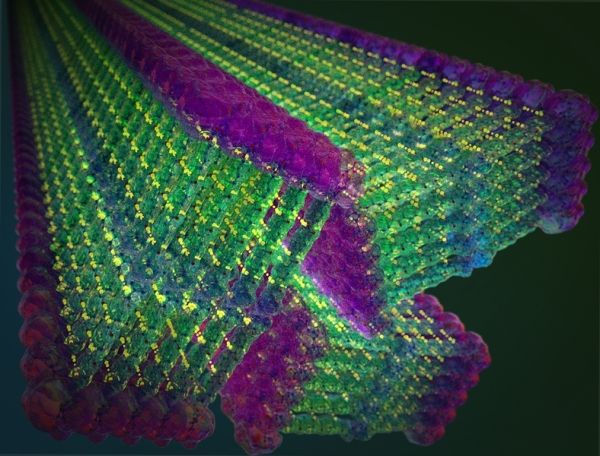
Self-assembly is ubiquitous in the natural world, serving as a route to form organized structures in every living organism.
Though they focus on the star at the center of our solar system, three of NASA’s Sun-watching spacecraft have captured unique views of the planets throughout the last several months.