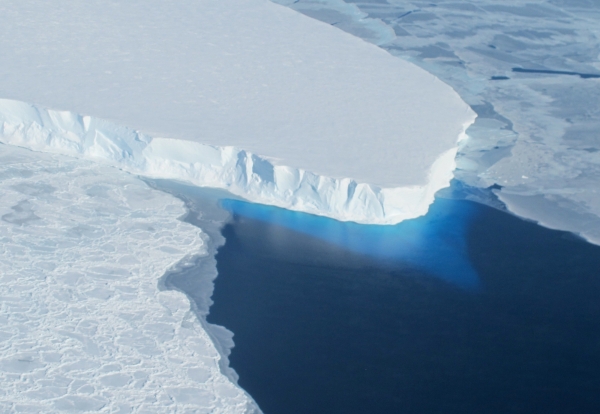
New evidence suggests that two major glaciers in the West Antarctic Ice Sheet (WAIS) are losing ice at the fastest rate for at least 5,500 years.
 ENN
Environmental News Network -- Know Your Environment
ENN
Environmental News Network -- Know Your Environment

New evidence suggests that two major glaciers in the West Antarctic Ice Sheet (WAIS) are losing ice at the fastest rate for at least 5,500 years.

As the cherished rainforest in South America’s Amazon River region continues to shrink, the river itself now presents evidence of other dangers: the overexploitation of freshwater fish.
Studying ancient ocean floors could help discover minerals needed to produce electric cars and solar panels.
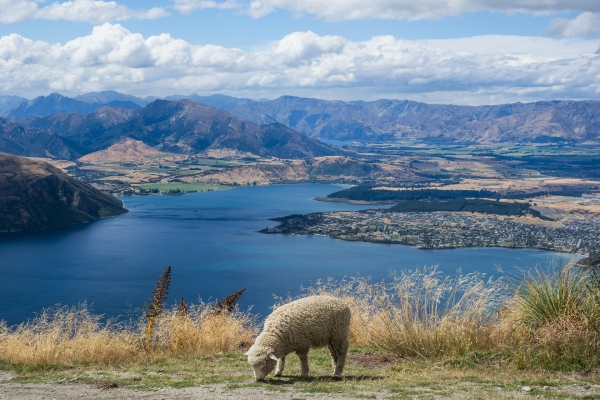
New Zealand unveiled a proposal Wednesday to put a price on methane from belching sheep and cattle, a plan that, if enacted, would make the country the first to compel farmers to pay for livestock emissions.

The much-loved red panda is renowned for its tree-climbing ability and adorable nature, but new research shows the endangered mammal is being driven closer to extinction.
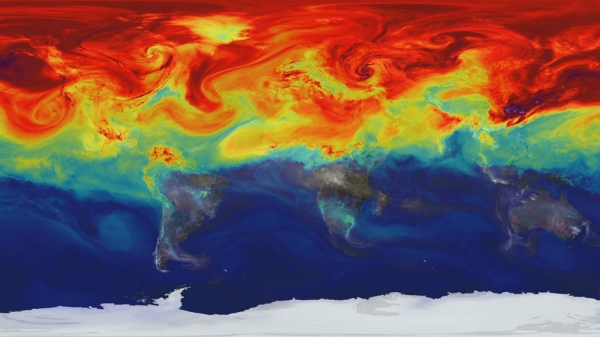
NASA and the Federal Emergency Management Agency (FEMA) have released a guide which provides resources for adapting to and mitigating impacts of climate change.