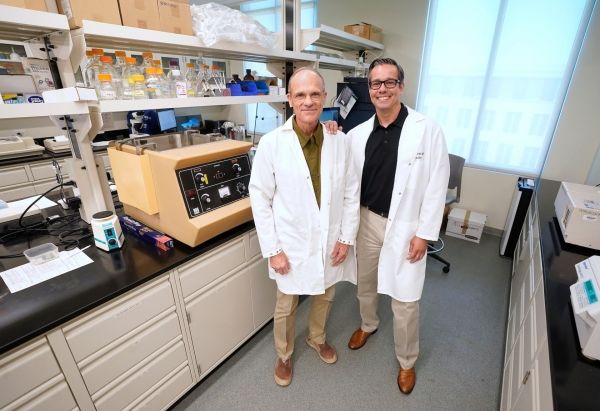
A $2.2 million National Science Foundation grant will establish the center, where scientists will research the farming of insects as a potential food source.
 ENN
Environmental News Network -- Know Your Environment
ENN
Environmental News Network -- Know Your Environment

A $2.2 million National Science Foundation grant will establish the center, where scientists will research the farming of insects as a potential food source.
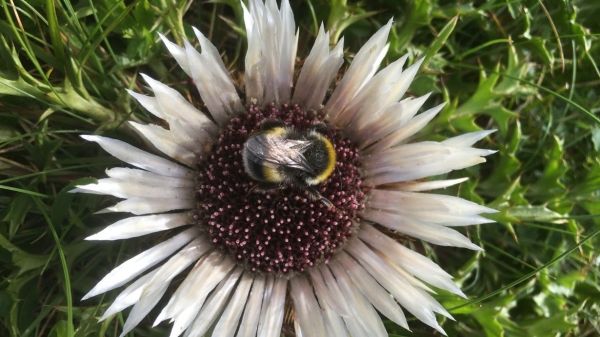
The global food system depends strongly on pollination by insects. According to the European Commission, this ecosystem service can be estimated to be worth several billion euros for Europe alone.
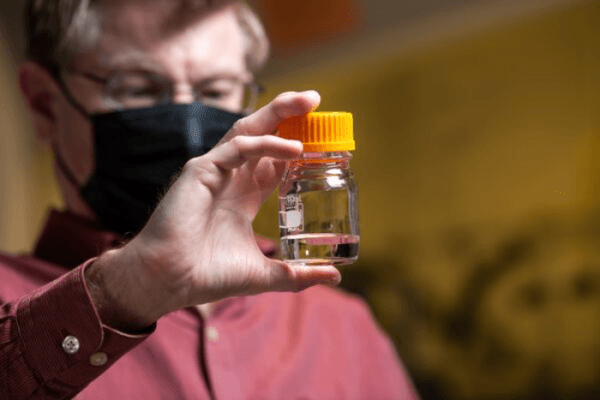
A patented process for converting alcohol sourced from renewable or industrial waste gases into jet or diesel fuel is being scaled up at the U.S. Department of Energy’s Pacific Northwest National Laboratory with the help of partners at Oregon State University and the carbon-recycling experts at LanzaTech.

Climate change is rattling the world’s central bankers. With unprecedented heat and wildfires in the American West and southern Europe, and record floods racing through German towns and Chinese megacities in recent weeks, fears are growing among regulators of a coming cascade of climate-induced economic blows potentially more far-reaching and intractable than the financial crash just over a decade ago.

A new study is highlighting a need for widespread use of better face masks and the importance of good ventilation to mitigate the spread of COVID-19 indoors.
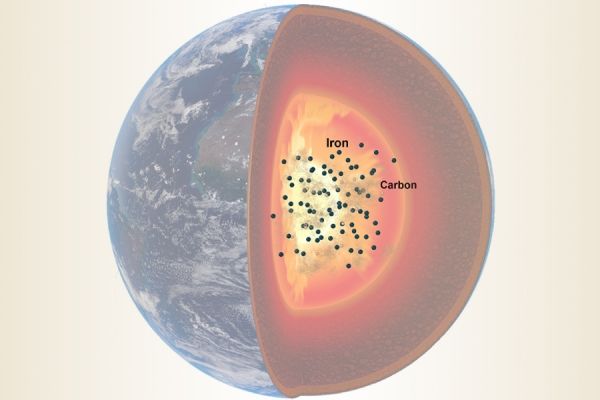
New research from Florida State University and Rice University is providing a better estimate of the amount of carbon in the Earth’s outer core, and the work suggests the core could be the planet’s largest reservoir of that element.