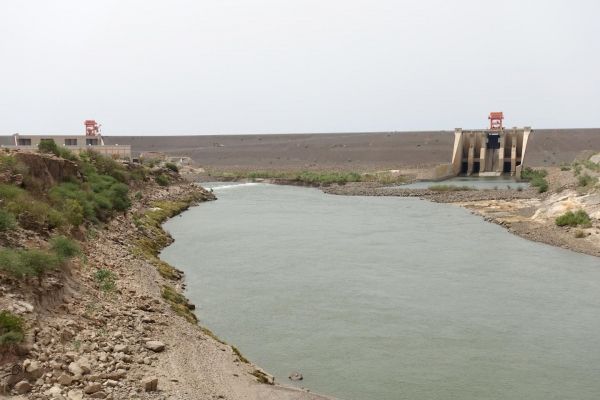
Lack of water, floods, or crop losses: As a result of climate change, pronounced periods of drought and rainfall are occurring more frequently and more intensively all around the world, causing human suffering and major economic damage.
 ENN
Environmental News Network -- Know Your Environment
ENN
Environmental News Network -- Know Your Environment

Lack of water, floods, or crop losses: As a result of climate change, pronounced periods of drought and rainfall are occurring more frequently and more intensively all around the world, causing human suffering and major economic damage.
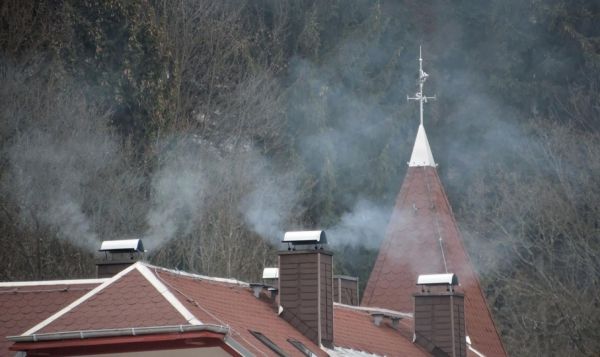
Soot particles from oil and wood heating systems as well as road traffic can pollute the air in Europe on a much larger scale than previously assumed.
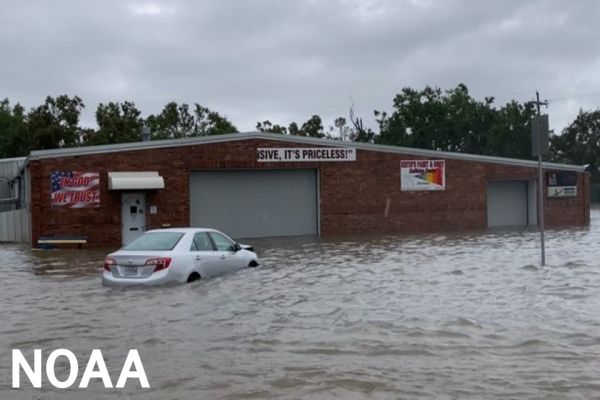
Part of Gulf Coast recovering from last summer’s hurricanes hit with severe flooding
The type of material present under glaciers has a big impact on how fast they slide towards the ocean.
When lockdowns during the coronavirus pandemic cut local nitrogen oxide emissions, the effect on ozone pollution was global and unexpectedly rapid.

Palaeoclimatologists study climate of the geological past.