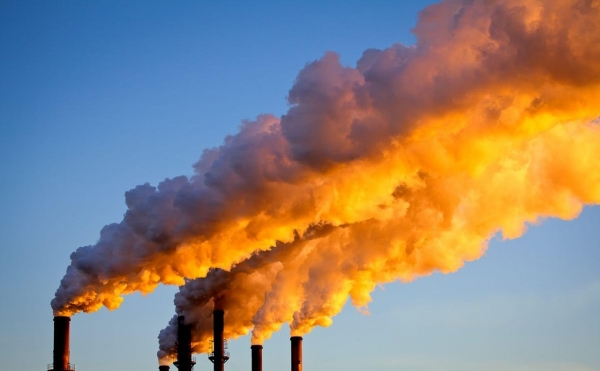
In 2018, the California state legislature set the goal of reaching net-zero carbon emissions by 2045 in the California Climate Crisis Act.
In 2018, the California state legislature set the goal of reaching net-zero carbon emissions by 2045 in the California Climate Crisis Act. In September of 2025, a team of Stanford researchers published a paper in Energy Policy modeling various pathways to decarbonization to meet this goal.
For Joshua Neutel M.S. ’22, a fifth-year Ph.D. candidate in the civil and environmental engineering department who led the project as part of his graduate program, the work began with a simple question: What would it actually take to reach net zero?
“[2045] is 20 years away now,” Neutel said. “Let’s have a real conversation about how we are going to do this. How can we get the biggest bang for our buck?”
According to Franklin Orr ’69, professor emeritus of energy resources engineering and co-author of the paper, the basic idea was to look in granular detail at where the emissions come from. The results of the paper break down, which policies and technologies will contribute the most to carbon emission abatement across every energy sector and emissions source in California.
Read More: Stanford University
Photo Credit: DragonDash via Pixabay