A joint UK–Brazil study has found that two widely used virus-based tools for probing gene function fail in rice.
A joint UK–Brazil study has found that two widely used virus-based tools for probing gene function fail in rice. The newly published paper confirms that these tried-and-tested methods do not transiently alter gene expression in this crop, pointing to rice’s unique defences and the need for fresh approaches.
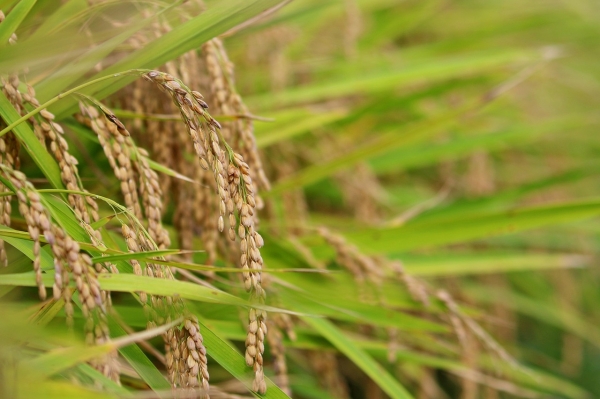
Researchers from Rothamsted Research and the Federal University of Rio Grande do Sul tested two popular viral vectors - barley stripe mosaic virus (BSMV) and foxtail mosaic virus (FoMV) - to see if they could temporarily switch genes on or off in rice (Oryza sativa). These virus-enabled reverse genetics (VERG) techniques are regularly used in plants to study gene function without permanent genetic modification. These methods have worked well at Rothamsted in wheat and blackgrass producing clear results: plants turn white when a chlorophyll gene is silenced, or glow green when a fluorescent protein is expressed. In rice, no such changes occurred. Despite extensive optimisation across six rice cultivars, the team found no evidence that these VERG techniques work in rice.
“Although we don’t know why they didn’t work, it’s clear they don’t,” said Guilherme Turra, lead author and PhD student at the Federal University of Rio Grande do Sul. “Rather than chase every possible explanation, we focused on rigorously testing variations of established protocols and inoculation methods across different rice types. By using robust scientific methods and clear visual phenotypes, we can be confident these tools simply don’t deliver in rice.”
Read More: Rothamsted Research
Photo Credit: manseok_Kim via Pixabay