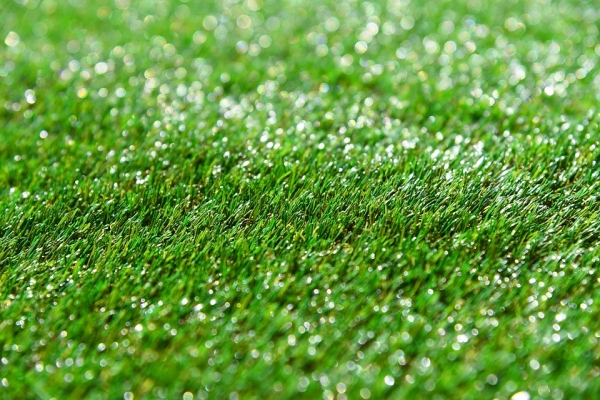
Artificial turf football pitches are better than natural turf from a sustainability perspective – at least as long as the artificial turf material is recycled and the natural turf is cut using fossil fuel-powered lawn mowers.
Artificial turf football pitches are better than natural turf from a sustainability perspective – at least as long as the artificial turf material is recycled and the natural turf is cut using fossil fuel-powered lawn mowers. This is demonstrated by researchers at Linköping University in a new study comparing the environmental impact of the different pitches with the help of life cycle analyses.
“The Nordic climate is tough on football pitches and there isn’t much research on the subject. But there is a great deal of interest from the municipalities as regards sustainability and weighing artificial turf against natural turf, says Mikael Säberg, PhD student at Linköping University (LiU), and first author of the study, published in the scientific journal Cleaner Environmental Systems.
Sweden has 440,000 registered active football players over the age of 12 who share about 5,400 football pitches of varying sizes. About a quarter have artificial turf and that proportion is growing. In total, Swedish football pitches cover an area larger than the entire municipality of Lidingö. But what about the environmental impact of all these pitches?
Read More: Linköping University
Photo Credit: MabelAmber via Pixabay