Almost 8,000 animal species could be pushed closer to extinction by the end of this century as the interacting effects of climate change-driven extreme heat and human land-use change create increasingly unsuitable conditions across their habitats, according to new research from a international research team led by Dr Reut Vardi of the School of Geography and the Environment, University of Oxford.
Almost 8,000 animal species could be pushed closer to extinction by the end of this century as the interacting effects of climate change-driven extreme heat and human land-use change create increasingly unsuitable conditions across their habitats, according to new research from a international research team led by Dr Reut Vardi of the School of Geography and the Environment, University of Oxford.
The study, ‘Effects of future climate extreme heat events and land use changes on land vertebrates’, published today in Global Change Biology, assessed nearly 30,000 species of amphibians, birds, mammals, and reptiles. It examined how future extreme heat events and projected land-use changes will affect species across their preferred habitats and thermal limits.
Dr Reut Vardi, Postdoctoral Researcher, School of Geography and the Environment, said:
‘Our research highlights the importance of considering the potential effects of multiple threats together to get a better estimation of their potential impact. It further stresses the urgency of conservation and mitigation actions globally to prevent immense losses to biodiversity.’
Read More: University of Oxford
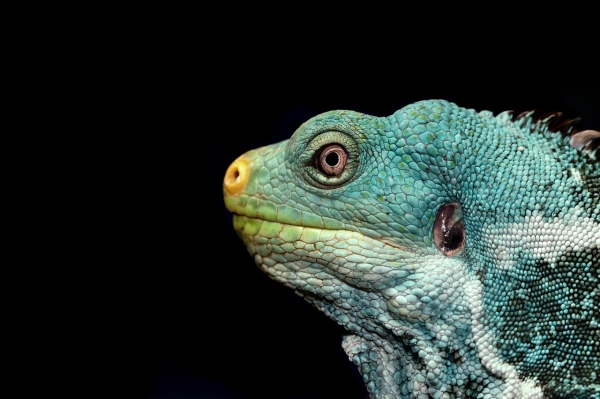
Photo Credit: DavidClode via Pixabay