

New findings about ocean processes in the Antarctic show melting ice shelves and changes to sea ice could have catastrophic implications for the global climate.
New findings about ocean processes in the Antarctic show melting ice shelves and changes to sea ice could have catastrophic implications for the global climate.
A team of Australian researchers led by Dr David Gwyther at The University of Queensland has identified competing forces that control the formation of some of the coldest, densest – and most important – water on the planet.
“This very cold, salty water, called Antarctic Bottom Water, is formed by the freezing of the ocean surface in sea ice factories that we call polynyas,” Dr Gwyther said.
Read more at: University of Queensland
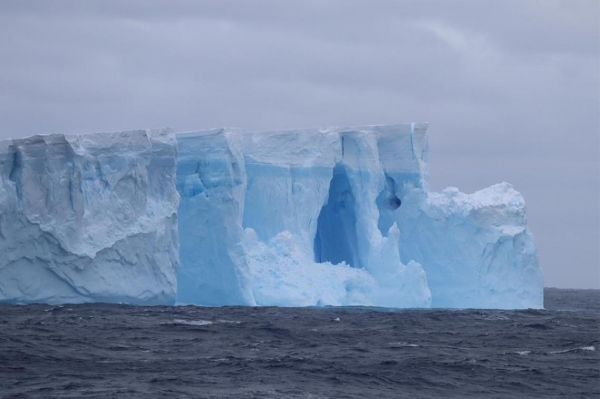
Iceberg near Cape Darnely, Antarctica. (Photo Credit: Sienna Blanckensee)


