Every autumn, as the Northern Hemisphere moves toward winter, Judah Cohen starts to piece together a complex atmospheric puzzle.
Every autumn, as the Northern Hemisphere moves toward winter, Judah Cohen starts to piece together a complex atmospheric puzzle. Cohen, a research scientist in MIT’s Department of Civil and Environmental Engineering (CEE), has spent decades studying how conditions in the Arctic set the course for winter weather throughout Europe, Asia, and North America. His research dates back to his postdoctoral work with Bacardi and Stockholm Water Foundations Professor Dara Entekhabi that looked at snow cover in the Siberian region and its connection with winter forecasting.
Cohen’s outlook for the 2025–26 winter highlights a season characterized by indicators emerging from the Arctic using a new generation of artificial intelligence tools that help develop the full atmospheric picture.
Looking beyond the usual climate drivers: Winter forecasts rely heavily on El Niño–Southern Oscillation (ENSO) diagnostics, which are the tropical Pacific Ocean and atmosphere conditions that influence weather around the world. However, Cohen notes that ENSO is relatively weak this year.
Read more at: University of California Los Angeles
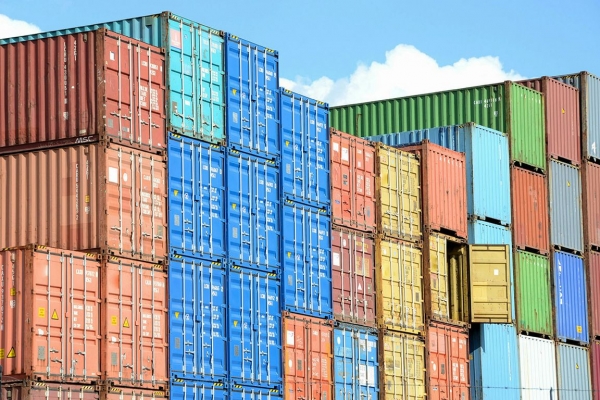
Use of MeBr in farms in California largely ended in 2015, but exceptions have been allowed for the fumigation of freight containers and similar shipping needs (Photo Credit: Paul Teysen/Unsplash)