

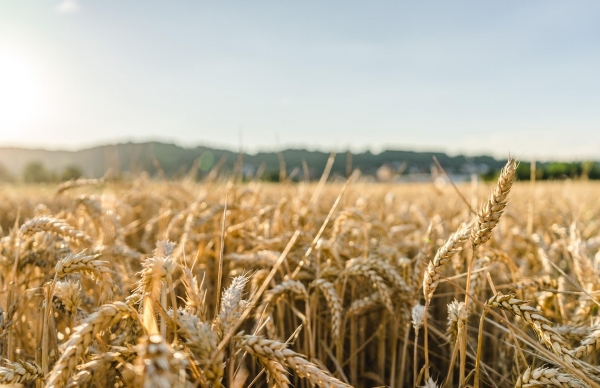
Agricultural waste that is usually burned or left to rot could play a far bigger role in tackling climate change if it were instead used in long-lasting building materials, according to new research from the University of East London (UEL).
Agricultural waste that is usually burned or left to rot could play a far bigger role in tackling climate change if it were instead used in long-lasting building materials, according to new research from the University of East London (UEL).
The study shows that fibrous residues from crops such as wheat, rice and maize - produced in billions of tonnes every year worldwide - could act as a powerful carbon sink when diverted into construction products like insulation, boards and panels. Rather than releasing carbon back into the atmosphere within months, these materials can store it for decades.
Led by Dr Bamdad Ayatifrom UEL’s world-leading Sustainability Research Institute (SRI), the research is one of the first to assess this opportunity at a global scale using a “dynamic” life-cycle approach. Unlike conventional carbon accounting methods, the analysis tracks when carbon is released or stored over time, revealing how timing can significantly change the climate impact.
Read more at: University of East London
Photo Credit: sulox32 via Pixabay


