

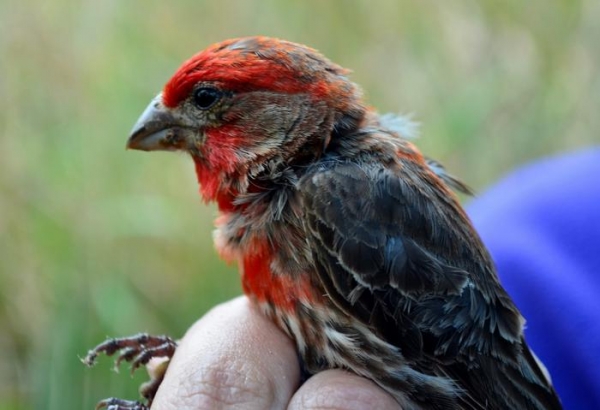
A new study led by a University of Hawaiʻi at Mānoa researcher shows that avian malaria can be transmitted by nearly all forest bird species in Hawaiʻi, helping explain why the disease is present almost everywhere mosquitoes are found across the islands.
A new study led by a University of Hawaiʻi at Mānoa researcher shows that avian malaria can be transmitted by nearly all forest bird species in Hawaiʻi, helping explain why the disease is present almost everywhere mosquitoes are found across the islands.
The research, published February 10 in Nature Communications, found avian malaria at 63 of 64 sites tested statewide, including areas with very different bird communities. The disease, caused by generalist parasite Plasmodium relictum, is a major driver of population declines and extinctions in native Hawaiian honeycreepers.
“Avian malaria has taken a devastating toll on Hawaiʻi’s native forest birds, and this study shows why the disease has been so difficult to contain,” said Christa M. Seidl, mosquito research and control coordinator for the Maui Forest Bird Recovery Project, who conducted this research as part of her PhD at the University of California, Santa Cruz. “When so many bird species can quietly sustain transmission, it narrows the options for protecting native birds and makes mosquito control not just helpful, but essential.”
Read More: University of Hawaii at Manoa
Photo courtesy: Maui Forest Bird Recovery Project


