

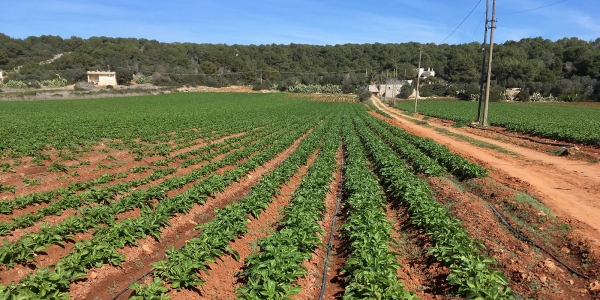
Research shows that allowing natural vegetation to grow back in mountainous areas and on steep slopes and moving production to more fertile areas will both reduce climate emissions and increase biodiversity.
Research shows that allowing natural vegetation to grow back in mountainous areas and on steep slopes and moving production to more fertile areas will both reduce climate emissions and increase biodiversity.
It is entirely possible to reduce greenhouse gas emissions and show greater consideration for nature – without reducing food production. This is one of the findings of a recent study from NTNU.
“Agricultural activities pose a significant threat to the natural environment,” said Francesco Cherubini, professor and Director of the Industrial Ecology Programme at NTNU.
We all need food, but food production currently accounts for a third of the world’s greenhouse gas emissions. Agriculture leads to a reduction in biodiversity. In addition, it uses large amounts of water and pollutes rivers, lakes and oceans due to nutrient runoff.
Read More: Norwegian University of Science and Technology
Image: Researchers at NTNU have studied how to reduce greenhouse gas emissions and compensate for the loss of biodiversity, without compromising food production. The picture is from Nardò in Italy. Photo: Ingebjørg Hestvik


