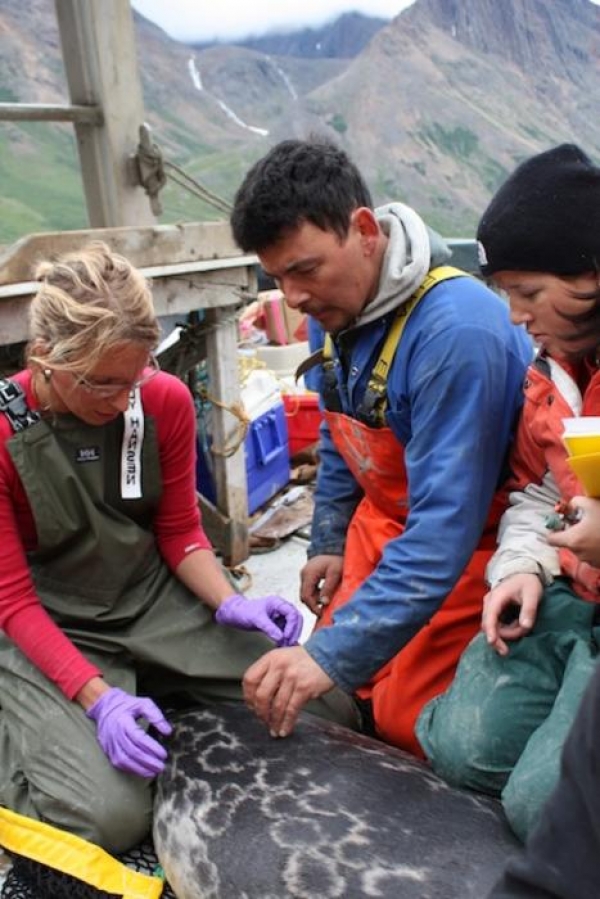
New research shows a single year of warmer-than-average Arctic temperatures can cause malnutrition in Arctic seals, intensifying risks to Inuit food security and northern ecosystems already under pressure from environmental toxins, warn Simon Fraser University researchers.
New research shows a single year of warmer-than-average Arctic temperatures can cause malnutrition in Arctic seals, intensifying risks to Inuit food security and northern ecosystems already under pressure from environmental toxins, warn Simon Fraser University researchers.
The SFU study found Arctic ringed seals are struggling to clear persistent contaminants and banned pesticides from their bodies — a long‑term health risk made worse when climate‑driven changes to sea ice and temperatures limit their access to nutrient-rich food.
“Ringed seals are a crucial link between invertebrates, fish and apex predators, and they are a cornerstone of northern food systems,” says Tanya Brown, marine mammal ecotoxicologist and senior study author. “We’ve found that warmer conditions can change what they feed on, which changes their contaminant exposure, and that can affect their overall health and survival.”
Read More: Simon Fraser University
Image: SFU researchers take a blood sample from an Arctic ringed seal in Northern Labrador. Photo: Samuel Bentley (Credit: Samuel Bentley)