Antarctica’s pale expanses of ice keep water locked up and reflect heat from the planet — but the climate crisis is putting these safeguards at increasing risk.
Antarctica’s pale expanses of ice keep water locked up and reflect heat from the planet — but the climate crisis is putting these safeguards at increasing risk. Antarctica is warming much faster than the global average, which could destroy its ecosystems and put other parts of the planet at risk by driving sea level rise and damaging food chains.
Now scientists have modelled the best- and worst-case scenarios for climate change in Antarctica, demonstrating just how high the stakes are if we don’t act now — but also how much harm can still be prevented.
“The Antarctic Peninsula is a special place,” said Professor Bethan Davies, lead author of the article in Frontiers in Environmental Science and UK national nominee for the 2026 Frontiers Planet Prize. “Its future depends on the choices that we make today. Under a low emissions future, we can avoid the most important and detrimental impacts. However, under a higher emissions scenario, we risk the loss of sea ice, ice shelves, glaciers, and iconic species such as penguins.
Read more at: University of Newcastle
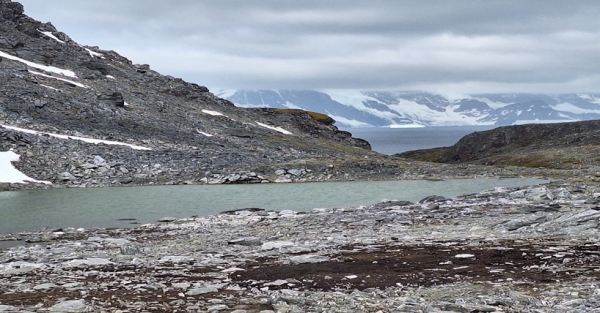
Mosses re-exposed after 1,000 years as glaciers retreat on the Antarctic Peninsula. (Photo Credit: Prof Peter Convey, British Antarctic Survey)