

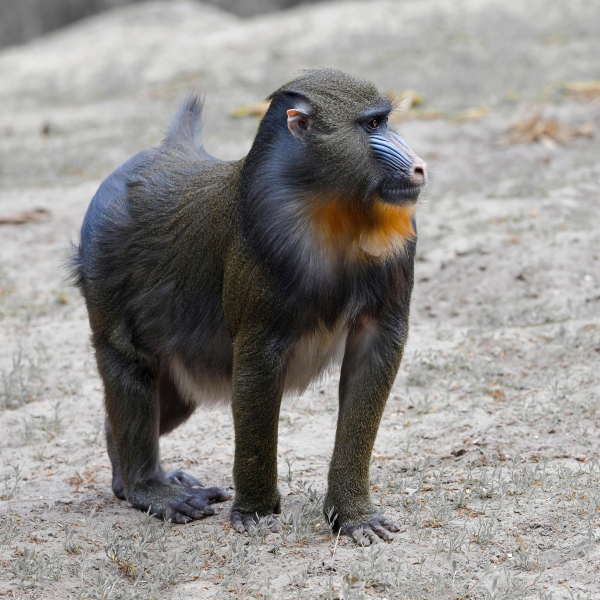
Researchers from the University of Bristol Veterinary School, in collaboration with Bristol Zoological Society and partners in Equatorial Guinea, have uncovered alarming evidence that hunting pressure is dramatically reducing the safe habitat available to mandrills inside Monte Alén National Park, one of Central Africa’s most important rainforest strongholds.
Researchers from the University of Bristol Veterinary School, in collaboration with Bristol Zoological Society and partners in Equatorial Guinea, have uncovered alarming evidence that hunting pressure is dramatically reducing the safe habitat available to mandrills inside Monte Alén National Park, one of Central Africa’s most important rainforest strongholds.
Mandrills, the world’s largest and most colourful monkey species, are listed as Vulnerable by the IUCN and face growing threats from habitat loss and hunting. Despite their crucial role as seed dispersers and indicators of forest health, the species remain poorly studied across much of their range. This new study reveals that even protected areas are failing to offer full refuge.
Using 35 camera traps deployed by Bristol Zoological Society’s Equatorial Guinea Conservation Programme, researchers monitored mandrill presence across the park and the impact of environmental and human influences on their movements.
Read More at: University of Bristol
Photo Credit: sharkolot via Pixabay


