

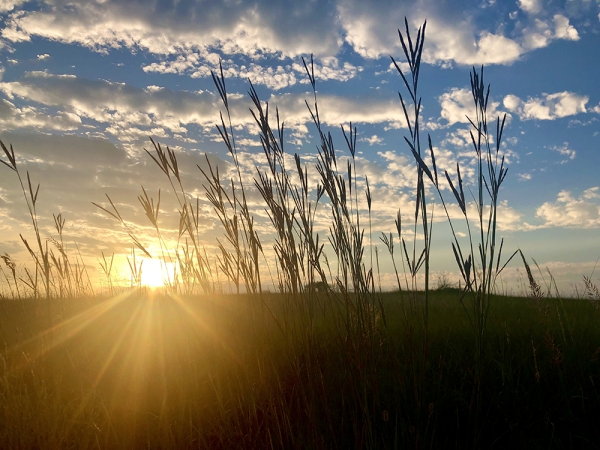
In parts of the Midwest and Great Plains, feathery yellow goldenrod and stands of big bluestem sway alongside Indiangrass and other prairie plants, stretching up to eight feet tall.
In parts of the Midwest and Great Plains, feathery yellow goldenrod and stands of big bluestem sway alongside Indiangrass and other prairie plants, stretching up to eight feet tall.
Now, in the search for ways to help ecosystems withstand the weather extremes made worse by climate change, it seems that humble grassland plants like these may have some of the answers.
A new analysis of nearly 40 years of data from three tracts of North American grassland confirms what researchers have long said: that biodiversity can be a natural defense against climate threats.
But the study also reveals that coping with climate extremes isn’t just a numbers game where the more species an ecosystem has, the better. Multiple dimensions of biodiversity can help nature survive — and thrive — in harsh conditions, the researchers report.
Read More: Michigan State University
Big bluestem at Konza Prairie LTER. (Photo Credit: Jill Haukos)


