

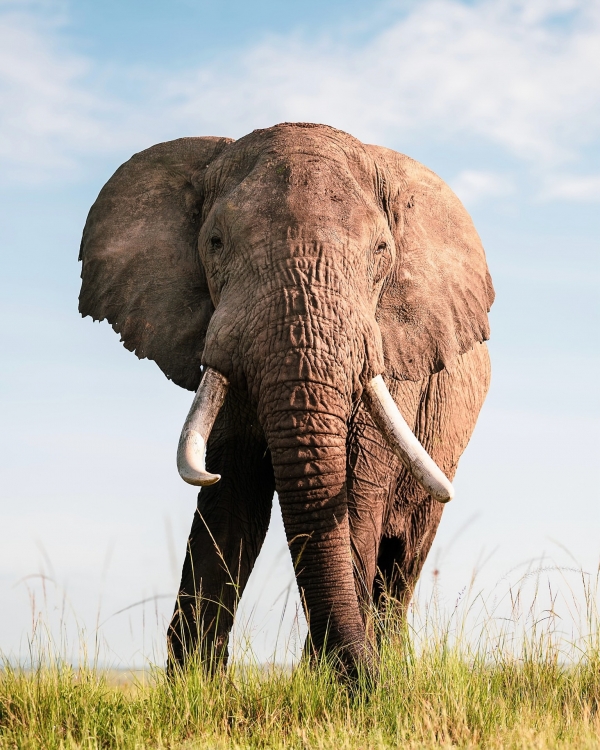
When drought grips the African savanna, an aging elephant matriarch leads her herd to water she remembers from decades past.
When drought grips the African savanna, an aging elephant matriarch leads her herd to water she remembers from decades past. In the cold Pacific, an older killer whale guides her pod to elusive salmon, sharing her catch when prey runs thin. And over the open ocean, a seasoned albatross traces vast, invisible routes it has refined over years, returning unerringly to feed its chick.
Across land, sea, and sky, these animals deploy memory, skill, and experience accumulated over long lives. So what happens when such older individuals are selectively removed through hunting, fishing, or other human pressures? Researchers say the loss may not be immediately visible, but it is profound: The knowledge that underpins population survival begins to disappear.
For decades, conservation has focused on numbers: how many animals remain in a population. But a growing body of research suggests this lens is too narrow, and that the loss of older animals can reshape populations in ways that simple counts fail to capture. “Not all individuals contribute equally,” says Keller Kopf, a senior lecturer at Charles Darwin University in Australia. “Older animals play roles that are often invisible in simple population counts.”
Read More at: Yale Environment 360
Photo Credit: shahzadskk via Pixabay


