The potent pollution from so-called “megaconstellation” satellite systems launched en masse into space since 2019 will account for nearly half (42%) of the total climate impact of space sector pollution by the end of the decade, finds a new study led by UCL researchers.
The potent pollution from so-called “megaconstellation” satellite systems launched en masse into space since 2019 will account for nearly half (42%) of the total climate impact of space sector pollution by the end of the decade, finds a new study led by UCL researchers.
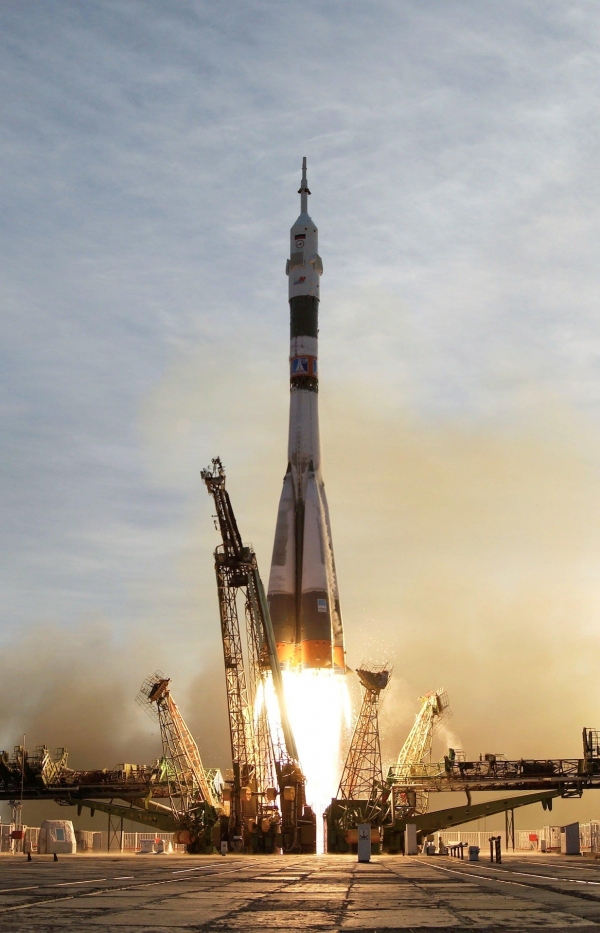
Publishing in Earth’s Future, the research team examined air pollution produced by the growing number of rocket launches, and the discarded rocket bodies and dead satellites falling back to Earth. The black carbon (soot) generated from these sources lingers in the upper atmosphere far longer than that from ground-based sources, resulting in a 500-fold greater impact on the climate.
Using data from rocket launches and satellite deployments between 2020 and 2022, the team projected emissions out to the end of the decade. The analysis showed that in 2020 these megaconstellations contributed about 35% to the total climate impact from the space sector and will climb to 42% by 2029.
Read More at: University College London
Photo Credit: WikiImages via Pixabay