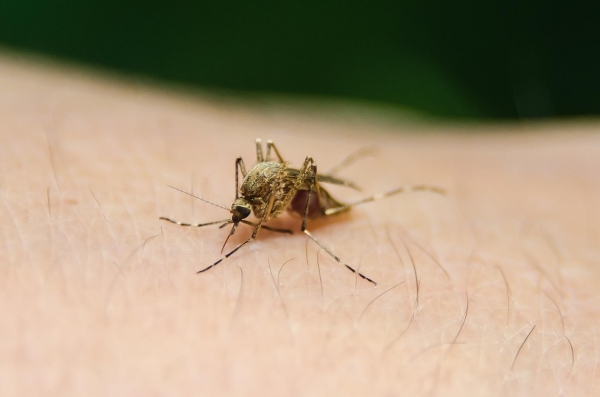
A new technique based on weather data is the first to successfully predict caseloads.
A new technique based on weather data is the first to successfully predict caseloads.
A new technique for forecasting West Nile virus based on NOAA weather data is the first of its kind to successfully predict caseloads of the most common and deadliest mosquito-borne disease in the nation.
Since the first cases were detected in New York in 1999, West Nile Virus has caused over 30,000 cases of severe illness and nearly 3,000 deaths in the U.S. There is still no human vaccine or effective treatment for the disease. A method for developing skilled predictions of where seasonal outbreaks could occur had not been identified until now.
A NOAA-led research team including scientists from the University of Minnesota and the Centers for Disease Control and Prevention (CDC) Division of Vector-Borne Diseases have taken a first step on a path to predicting West Nile virus incidence using a method based on historical weather conditions. The technique provides a foundation for supporting proactive public health actions, such as more effective public awareness and control of the Culex mosquitos that spread West Nile, and informing health care providers about likely increases in West Nile disease caseloads.
Read More: NOAA
Photo Credit: CreativesolutionisT via Pixabay