

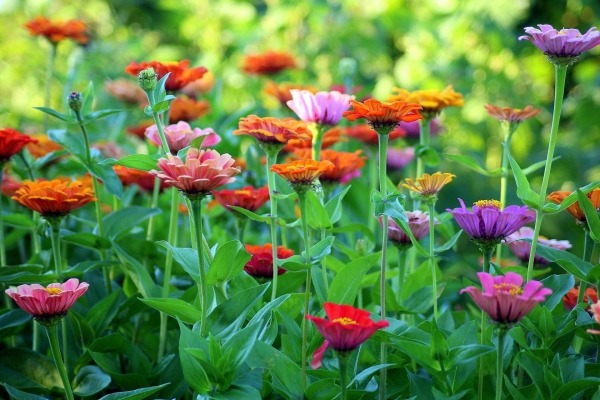
Across the globe, human activities are changing the way our planet smells.
In Egypt, increasing temperatures are shrinking yields of aromatic jasmine flowers; in France, extreme drought has reduced the production of fragrant, night-blooming tuberose, a major ingredient in many perfumes; in Italy, climatic extremes are altering the characteristic floral, citrusy scent of bergamot.
But anthropogenic factors are also reshaping environmental smellscapes, a word coined in the 1980s to describe the totality of scents in a given geographic area, in ways that are far more subtle — and potentially much more harmful.
While humans largely rely on sight and sound in our interactions with each other and with the world around us, many other creatures rely on smells. Ants, for example, require scents for colony cohesion; turkey vultures let scent guide them to far-away carrion; and male moths use scent to find females hundreds of meters away. “Scent is very important because it mediates so many interactions within an ecosystem,” says James Blande, a chemical ecologist at the University of Eastern Finland.
Read More at: Yale Environment 360
Photo Credit: _Alicja_ via Pixabay


