Somersett, a short drive from downtown Reno, Nevada, is a peaceful place where homes with sweeping, high-desert views line cul-de-sacs and roads meander through shrubland, trailheads, and golf courses.
Somersett, a short drive from downtown Reno, Nevada, is a peaceful place where homes with sweeping, high-desert views line cul-de-sacs and roads meander through shrubland, trailheads, and golf courses. But in the summer, months of low humidity and hot weather prime the landscape to burn. On the morning of August 22, it did.
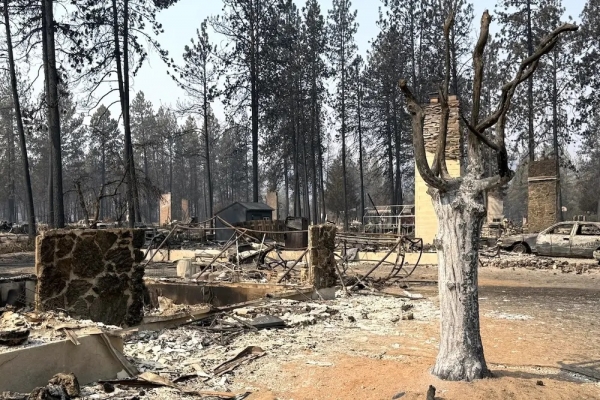
In just a few days, strong winds carried the flames of the Hawk Fire more than 23 miles, placing some 90,000 people on evacuation notice as dense smoke and orange skies blanketed the city. By Wednesday, dozens of houses had been destroyed. Two weeks earlier, the Bug Fire burned 150 square miles just north of the same area.
It’s the latest in an era of worsening wildfires in the United States, where more than 7.9 million acres have burned this year. A similar story is playing out in Canada, where First Nations and residents of Ontario have borne the brunt of more than 5,100 fires across the country. Scientists say climate change has made these fires, along with others in Europe, significantly more likely to happen. This year’s blazes in the western U.S. were exacerbated by record-low winter snowfall, depriving the landscape of the moisture that typically seeps from snowpack throughout the summer, and by extreme and long-lasting heat waves that baked the landscape.
Read More: Yale Environment 360
Homes burned in a recent wildfire in Spokane, Washington. (Photo Credit: U.S. Forest Service)