Deep, dark fractures reaching far down into the oldest rocks on Earth may seem about as hospitable to life as outer space, but some estimates suggest that microbes dwelling deep in the Earth's crust account for the majority of microbial life.
articles
DOE Grants Will Help Advance AI Techniques to Address Data Challenges
Argonne has received $3 million in funding to develop artificial intelligence and machine learning technology that has the potential to tackle some of the country’s biggest data challenges.
Extreme Ice Melting in Greenland Raises Global Flood Risk
Global warming has caused extreme ice melting events in Greenland to become more frequent and more intense over the past 40 years according to new research, raising sea levels and flood risk worldwide.
U.S. Department of Energy Invests in UToledo Solar Technology Research
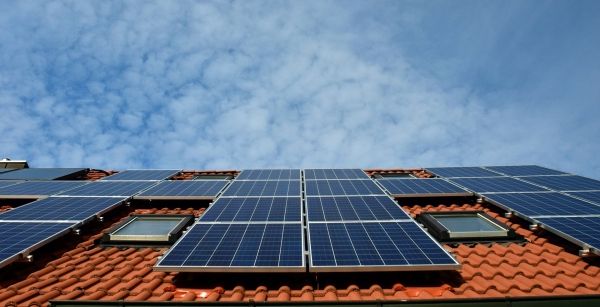
In the race against climate change, physicists at The University of Toledo are pushing the limits of solar electricity to ensure a clean energy future.
The Silent Build-up to a Super-Eruption
It is estimated that about 5-10 volcanoes worldwide are capable of producing a super-eruption that could catastrophically affect global climate.
Clues From the Ancient Past Can Help Predict Abrupt Climate Change
Climate ‘tipping points’ can be better understood and predicted using climate change data taken from the ancient past, new research shows.