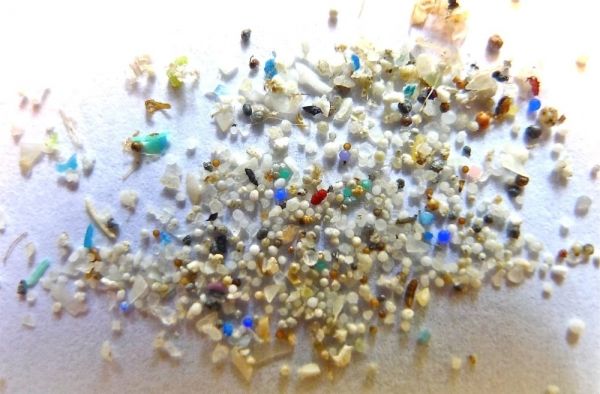
Like the ash spewed from a supervolcano, microplastics have infested the atmosphere and encircled the globe. These are bits of plastic less than 5 millimeters long, and they come in two main varieties.
 ENN
Environmental News Network -- Know Your Environment
ENN
Environmental News Network -- Know Your Environment

Like the ash spewed from a supervolcano, microplastics have infested the atmosphere and encircled the globe. These are bits of plastic less than 5 millimeters long, and they come in two main varieties.
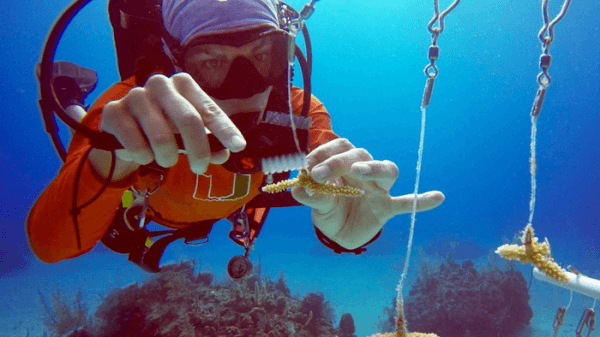
In a first-of-its-kind study, Florida’s critically endangered staghorn corals were surveyed to discover which ones can better withstand future heatwaves in the ocean.
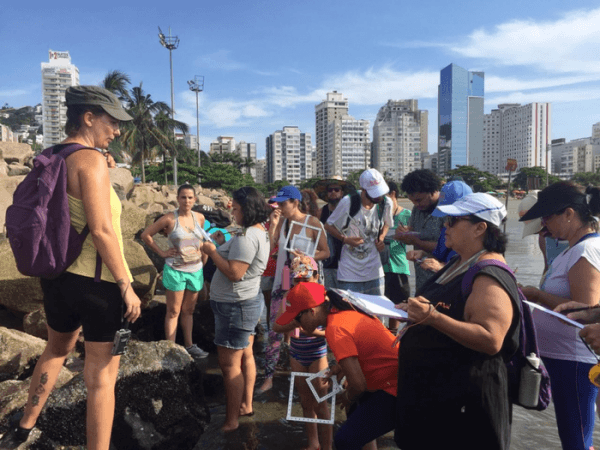
In 2019, history student Rodrigo Gomes found out on social media about a call for volunteers to take part in a scientific project relating to the ocean and conducted by the Federal University of São Paulo’s Institute of Marine Sciences (IMAR-UNIFESP) in Santos, on the coast of the state of São Paulo, Brazil.
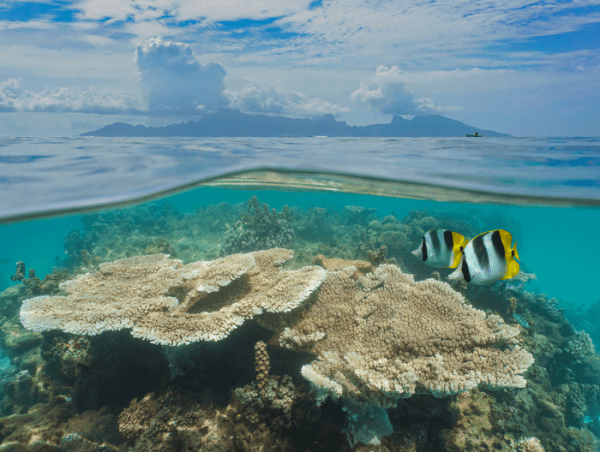
There’s a widespread hypothesis that links the resilience of coral reefs with their remoteness from human activities — the farther away they are from people, the more likely corals are to bounce back from disturbances.
More than 99.9% of peer-reviewed scientific papers agree that climate change is mainly caused by humans, according to a new survey of 88,125 climate-related studies.
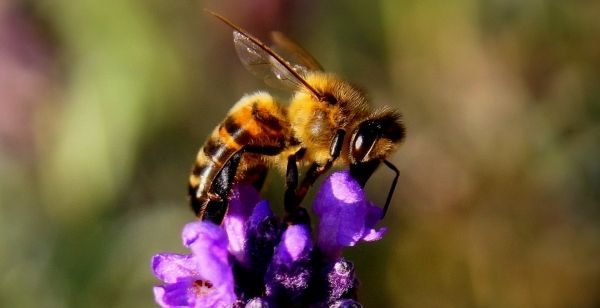
The value of UK agriculture could be boosted by millions of pounds a year if thousands of honeybee hives were deployed on solar parks across the country, a new study reveals.