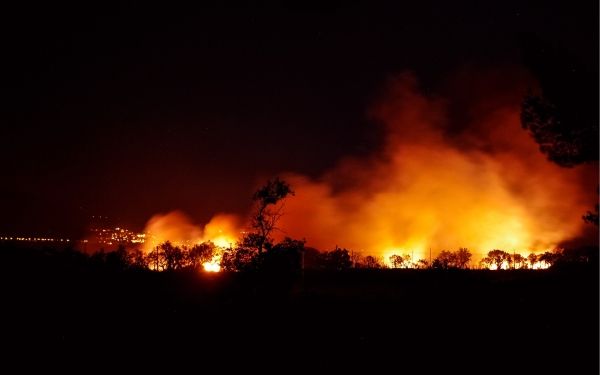
Aerosols carried in wildfire smoke plumes that are hundreds of hours old can still affect climate, according to a study out of the University of California, Davis.
 ENN
Environmental News Network -- Know Your Environment
ENN
Environmental News Network -- Know Your Environment

Aerosols carried in wildfire smoke plumes that are hundreds of hours old can still affect climate, according to a study out of the University of California, Davis.
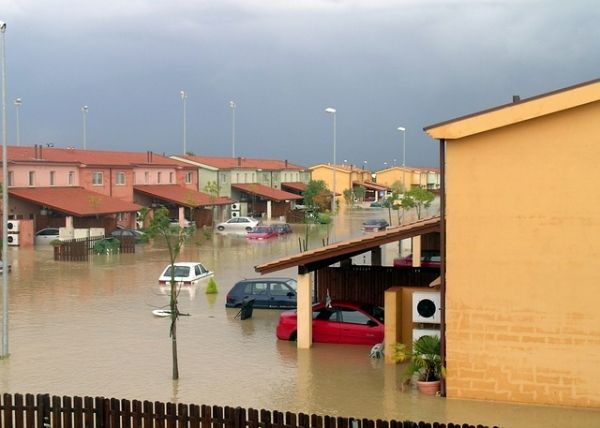
Lancaster experts have contributed to a flood hydrology roadmap that sets out a vision to help scientists and practitioners better predict future flood events and improve flood resilience across the UK.
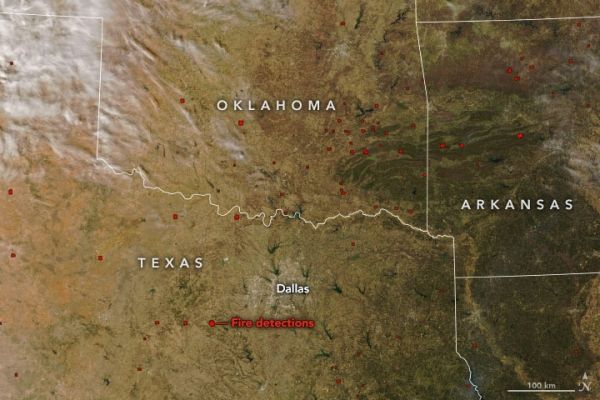
More than 100,000 acres have burned in a mid-March wildfire outbreak.
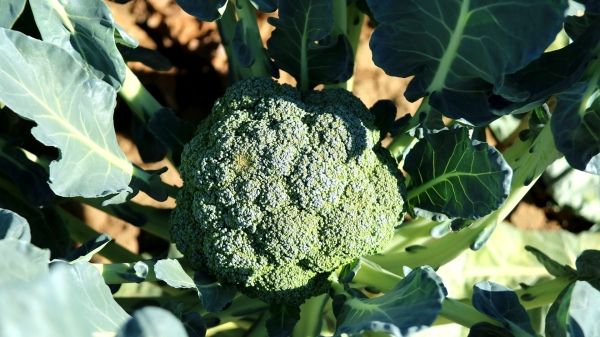
Researchers at Johns Hopkins Children’s Center report evidence from lab experiments that a chemical derived from a compound found abundantly in broccoli and other cruciferous plants may offer a potentially new and potent weapon against the viruses that cause COVID-19 and the common cold.
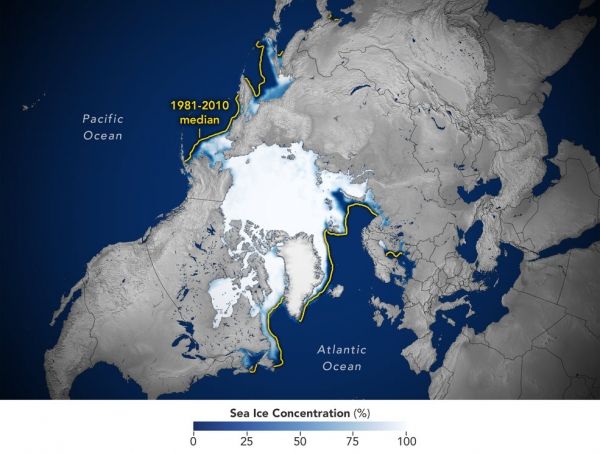
Arctic sea ice appeared to have hit its annual maximum extent on Feb. 25 after growing through the fall and winter.
The first comprehensive study of international literature on wildlife rehabilitation shows that human activity is one of several factors that influences outcome for injured or displaced wildlife.



