When people hear that I am completing my doctorate in agricultural and biological engineering at UF, they often assume my work is confined to farmland, crop yields and tractors.

articles
Research Confirms Tropical Regions as Historic Methane Source
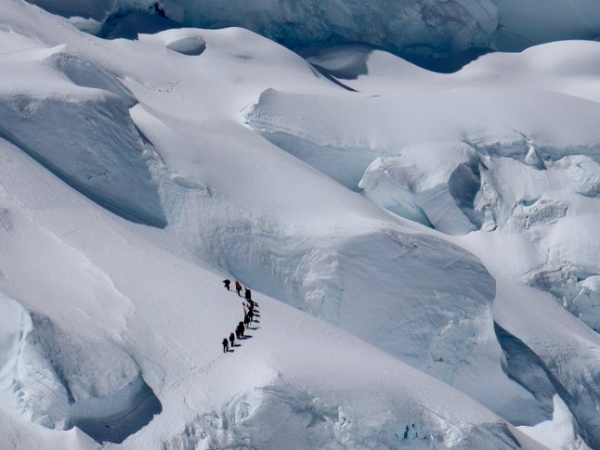
A new analysis of ice cores collected from the Andes in Peru has produced the first global record of historical tropical methane, filling a critical gap in our understanding of the origins of Earth’s greenhouse gases.
Plants Could Transform How We Measure Tidal Marshes
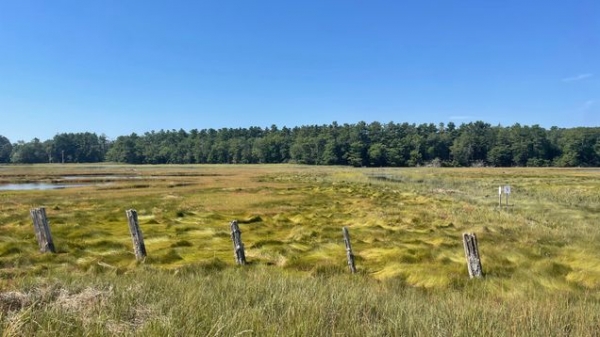
Growing up in New Jersey, Emily Wilson regularly passed tidal marshes without giving them much thought. They were part of the coastal landscape—stretches of green and blue she saw from the road.
It wasn’t until she began studying environmental science as an undergraduate that she realized how remarkable they were—plants thriving in salty, waterlogged environments amidst the constant ebb and flow of tides.
Today, as a Boston University PhD candidate in Earth & Environment, Wilson studies those same ecosystems—and has discovered that the plants she once drove past may hold important information to more accurately track the global climate.
Read more at: Boston University
Photo Credit: Emily Wilson, Boston University
Antarctica’s Brief Rebound was Caused by Climate Variability, Not a ‘New Normal’
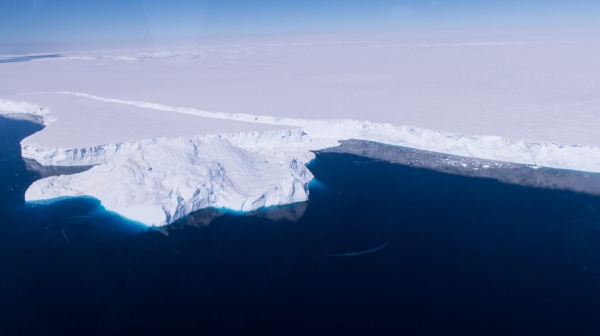
Between 2021 and 2023, Antarctica appeared to be growing.
Butterflies on the Move to Higher Ground
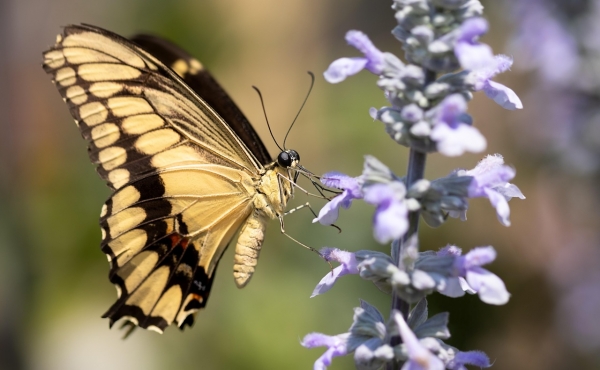
How are butterflies in the Alps responding to rising temperatures?
Buildings That Cool Like African Elephants
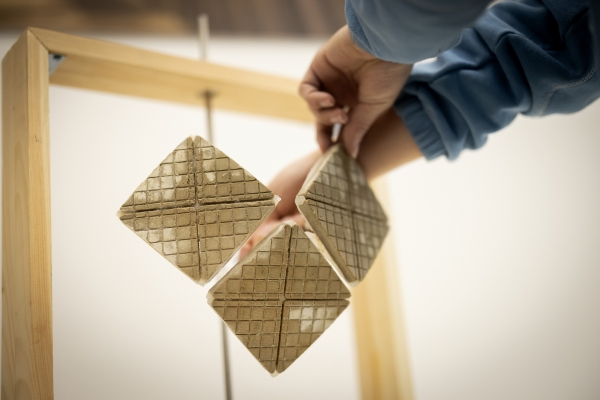
During sunny and sweltering summer days, much relief comes from sweat.