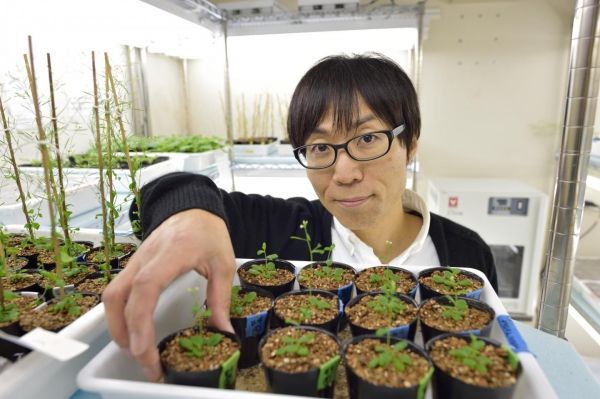
Scientists from Japan, Europe and the USA have described a pathway leading to the accelerated flowering of plants in low-nitrogen soils.
 ENN
Environmental News Network -- Know Your Environment
ENN
Environmental News Network -- Know Your Environment

Scientists from Japan, Europe and the USA have described a pathway leading to the accelerated flowering of plants in low-nitrogen soils.
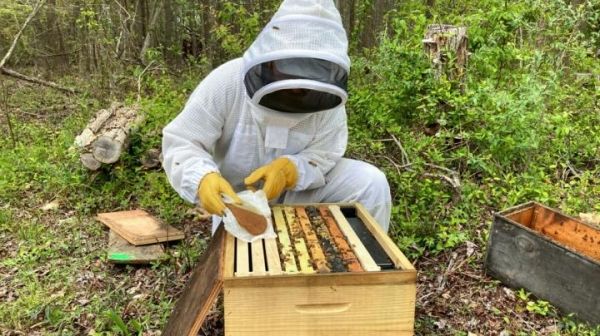
A Cornell-developed technology provides beekeepers, consumers and farmers with an antidote for deadly pesticides, which kill wild bees and cause beekeepers to lose around a third of their hives every year on average.
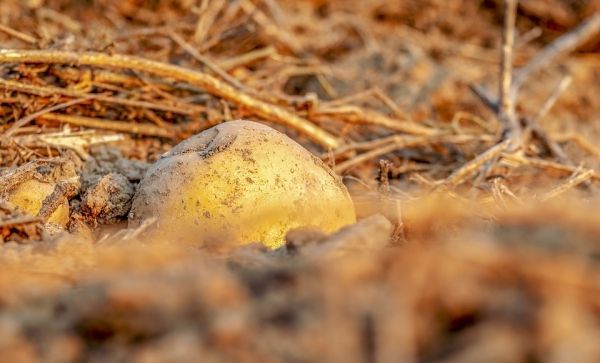
The world’s plants, immobile and rooted in soil which contains potentially lethal micro-organisms, face a constant threat from invading pathogens.

During the era of commercial whaling, fin whales were hunted so intensively that only a small percentage of the population in the Southern Hemisphere survived, and even today, marine biologists know little about the life of the world’s second-largest whale.
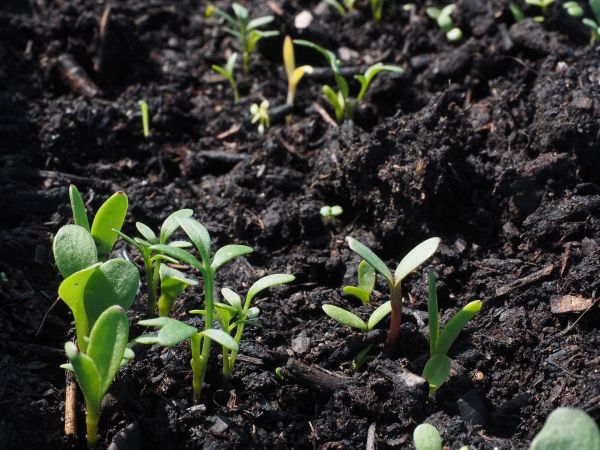
Decades after federal bans ended widespread use of lead in paint and gasoline, some urban soils still contain levels of the highly toxic metal that exceed federal safety guidelines for children, a Duke University study finds.
The ancient burrowers of the seafloor have been getting a bum rap for years.