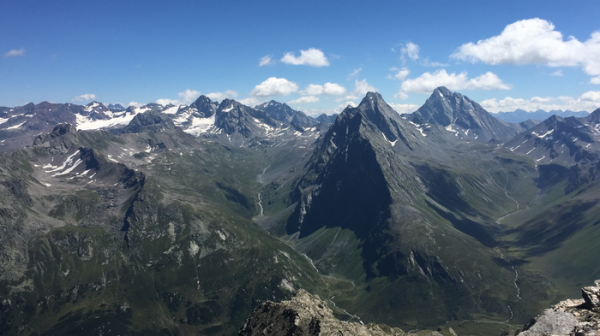
Global warming has a particularly pronounced impact on the Alpine region.
 ENN
Environmental News Network -- Know Your Environment
ENN
Environmental News Network -- Know Your Environment

Global warming has a particularly pronounced impact on the Alpine region.
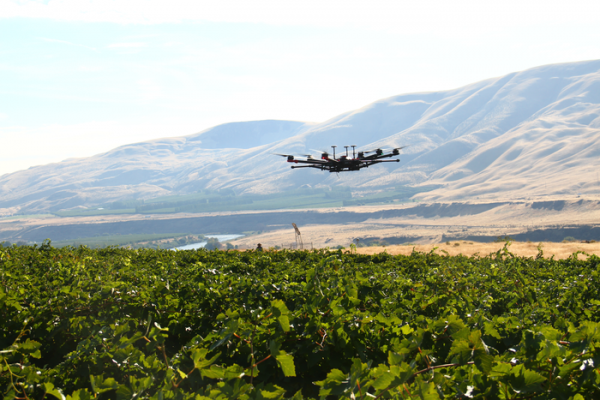
In the future, cameras could spot blackbirds feeding on grapes in a vineyard and launch drones to drive off the avian irritants, then return to watch for the next invading flock.
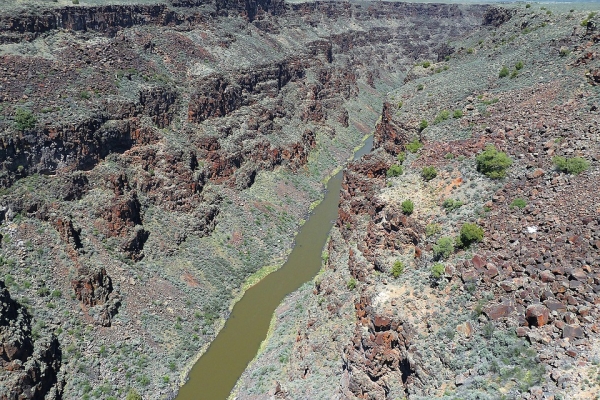
Hiking through the emerald green canopy of the bosque, or riverside cottonwood forest, near downtown Albuquerque, Tricia Snyder, an advocate for WildEarth Guardians, believes zero hour has arrived for the Rio Grande.

A new study shows how small seabirds have mastered the art of working smarter not harder when soaring at sea.
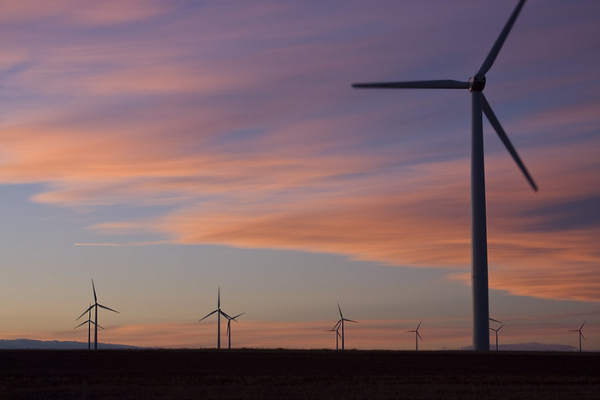
As wind energy occupies an increasingly large share of the energy landscape, a new study by Colorado State University economists and the National Oceanic and Atmospheric Administration shows that more accurate wind forecasts over the last decade have netted consumers over $150 million per year in energy savings.
The study, published in the Journal of Renewable and Sustainable Energy, is based on NOAA’s High Resolution Rapid Refresh model, which provides hourly updated weather forecasts, including wind speed and direction data, for every part of the United States. Every few years, NOAA releases an updated HRRR model to the National Weather Service, while working on the next update at the same time.
Utilities must be able to predict wind patterns accurately and far in advance to determine how much additional energy they must produce from other sources. A bad prediction can cost the utility a lot of money, and those costs are then passed on to consumers. Conversely, a good prediction can result in substantial savings for those same customers.
Read more at: Colorado State University
Increasingly accurate wind forecasts have been providing consumers with about $150 million in energy savings each year. (Photo Credit: NOAA)
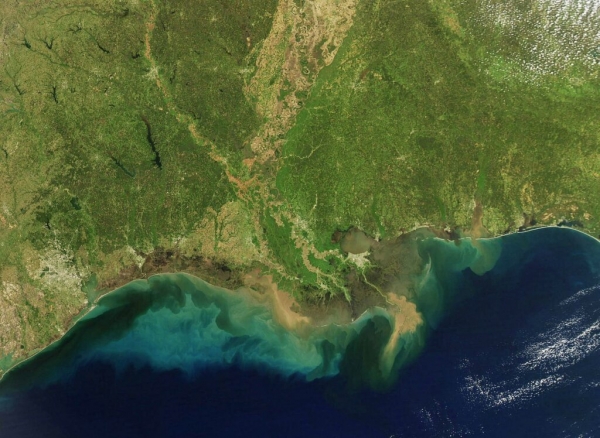
An ancient bout of global warming 56 million years ago that acidified oceans and wiped-out marine life had a milder effect in the Gulf of Mexico, where life was sheltered by the basin’s unique geology – according to research by the University of Texas Institute for Geophysics (UTIG).