Seabirds such as kittiwakes and puffins are being put at higher risk because of a disconnect between conservation efforts on the ground, and research knowledge of the threats to these birds from climate change.
articles
A Regional Approach is Essential for High-Quality Soil Carbon Credits and Durable Climate Benefits
Soils have the potential to store substantial amounts of carbon and help slow climate change.
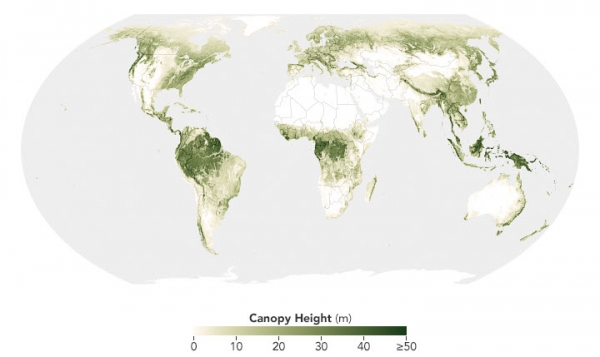
Regrown Tropical Forests May Have Short Lifespans, Says New Study
Preventing the re-clearing of second-growth forests is a major challenge for restoration efforts in tropical regions, according to a new study led by researchers from Columbia University, University of São Paulo and the Federal University of ABC in Brazil.
Use Your Cellphone to Improve Weather Forecasts
Ahead of World Meteorological Day, you can help improve weather forecasting models with CAMALIOT, an infrastructure and app that uses GPS from smartphones to support scientific research.
Methane-Eating Bacteria Convert Greenhouse Gas to Fuel
Methanotrophic bacteria consume 30 million metric tons of methane per year and have captivated researchers for their natural ability to convert the potent greenhouse gas into usable fuel.
Visible Ocean Plastics Just the Tip of the Iceberg
While the billions of tons of plastic products produced in the “Plastic Age” of the last half-century have drastically changed the way we live for the better, the plastic waste that has made it into the environment is posing new challenges for nature.